


As a seasoned provider of glue - spraying systems, I often encounter inquiries regarding the compatibility of our systems with low - viscosity glue. This topic is not only relevant to our customers but also crucial for understanding the full potential and limitations of our glue - spraying technology. In this blog post, I will delve into the question: Can a glue - spraying system be used for low - viscosity glue?
Understanding Low - Viscosity Glue
Before we discuss the application of glue - spraying systems to low - viscosity glue, it is essential to understand what low - viscosity glue is. Viscosity refers to a fluid's resistance to flow. Low - viscosity glue, therefore, flows more easily compared to high - viscosity glue. It is often used in applications where a thin, even layer of glue is required, such as in the packaging industry for bonding thin materials like paper, cardboard, and some plastics.
Low - viscosity glues have several advantages. They can be applied quickly, which is beneficial for high - speed production lines. They also tend to penetrate materials better, resulting in stronger bonds in some cases. However, their low resistance to flow can also pose challenges when it comes to precise application.
The Working Principle of Glue - Spraying Systems
Our glue - spraying systems are designed to apply glue in a controlled and efficient manner. The basic principle involves using a pump to transfer the glue from a reservoir to a spray nozzle. The nozzle then atomizes the glue into fine droplets and distributes them evenly over the target surface.
There are different types of glue - spraying systems, including air - assisted and airless systems. Air - assisted systems use compressed air to break up the glue into droplets, while airless systems rely on high pressure to achieve atomization. Each type has its own advantages and is suitable for different applications.
Compatibility of Glue - Spraying Systems with Low - Viscosity Glue
The good news is that, in most cases, our glue - spraying systems can be used with low - viscosity glue. However, there are several factors to consider to ensure optimal performance.
Pump Selection
The pump is a critical component of the glue - spraying system. For low - viscosity glue, a pump with a suitable flow rate and pressure control is required. A pump that can handle the low resistance to flow of the glue without causing excessive splashing or uneven application is essential. Our engineers have extensive experience in selecting the right pump for different types of glue, including low - viscosity ones.
Nozzle Design
The nozzle plays a crucial role in determining the quality of the glue spray. For low - viscosity glue, a nozzle that can produce a fine and uniform spray pattern is necessary. The size and shape of the nozzle orifice, as well as the internal geometry, can affect the atomization process. We offer a variety of nozzles specifically designed for different viscosities, including low - viscosity glues.
System Adjustment
Proper adjustment of the glue - spraying system is also important when using low - viscosity glue. This includes adjusting the pump pressure, the air pressure (in air - assisted systems), and the spray distance. By fine - tuning these parameters, we can ensure that the glue is applied evenly and precisely, even with low - viscosity formulations.
Applications of Glue - Spraying Systems with Low - Viscosity Glue
There are numerous applications where our glue - spraying systems can be used with low - viscosity glue.
Packaging Industry
In the packaging industry, low - viscosity glue is commonly used for bonding cartons, boxes, and labels. Our glue - spraying systems can provide a fast and efficient way to apply the glue, ensuring strong and reliable bonds. For example, when gluing the flaps of a cardboard box, a low - viscosity glue applied by our system can quickly penetrate the cardboard fibers, resulting in a secure seal.
Woodworking
In woodworking, low - viscosity glue can be used for veneer bonding and edge banding. Our glue - spraying systems can apply the glue evenly on the wood surface, providing a smooth and seamless bond. This is particularly important for high - quality wood products where appearance and durability are key factors.
Textile Industry
The textile industry also benefits from the use of low - viscosity glue applied by our systems. For example, in the production of laminated fabrics, a thin layer of low - viscosity glue can be sprayed between the fabric layers to bond them together. This process can improve the strength and performance of the laminated fabric.
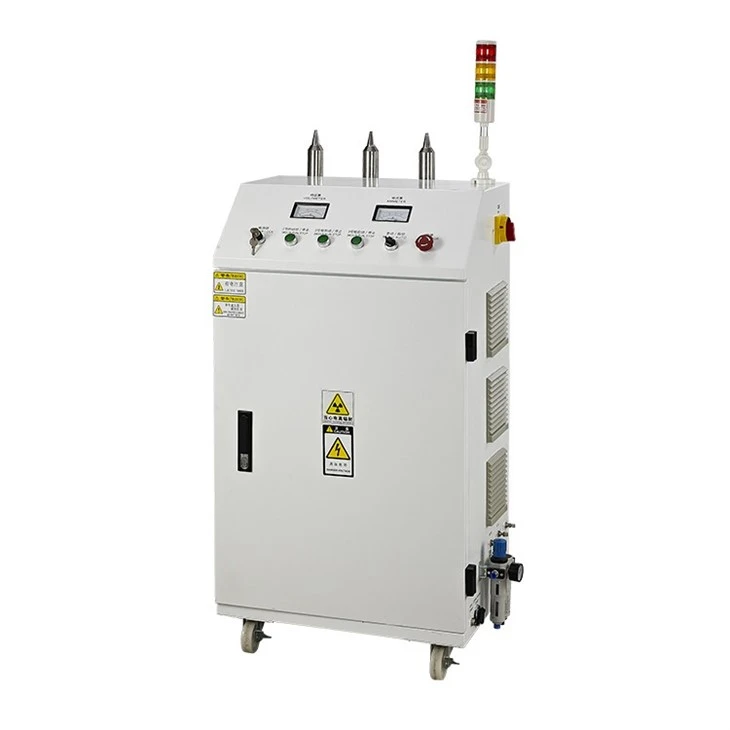

Related Equipment for Enhanced Performance
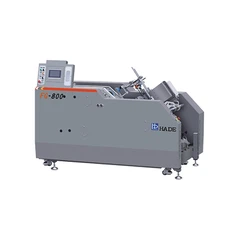
To further enhance the performance of our glue - spraying systems when using low - viscosity glue, we also offer a range of corollary equipment.
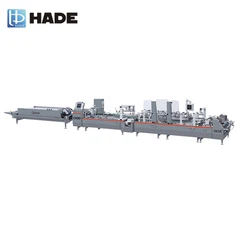
The Grinder Used On Folder Gluer can be used to prepare the surface of the materials before glue application. This helps the low - viscosity glue to adhere better, resulting in stronger bonds.
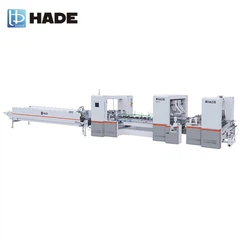
The Vertical Feeder is another useful piece of equipment. It can ensure a continuous and stable supply of materials to the glue - spraying area, improving the overall efficiency of the production process.
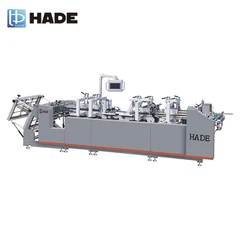
The Surface Treatment Equipment can be used to modify the surface properties of the materials, making them more receptive to the low - viscosity glue. This can significantly improve the bonding quality.
Conclusion
In conclusion, our glue - spraying systems can indeed be used for low - viscosity glue. With the right pump selection, nozzle design, and system adjustment, we can achieve excellent results in various applications. The compatibility of our systems with low - viscosity glue opens up a wide range of opportunities for our customers in different industries.
If you are interested in learning more about our glue - spraying systems and how they can be used with low - viscosity glue, or if you have specific requirements for your production process, please feel free to contact us. Our team of experts is ready to assist you in finding the best solution for your needs.
References
- "Handbook of Adhesive Technology", Second Edition, edited by Andrew Pizzi and K. L. Mittal
- "Industrial Adhesives and Sealants", by David A. Dillard and others