

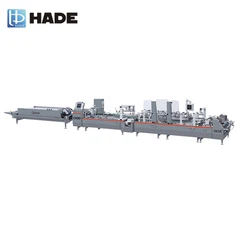

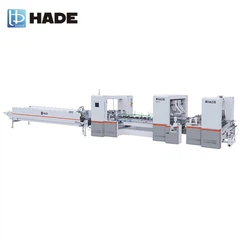
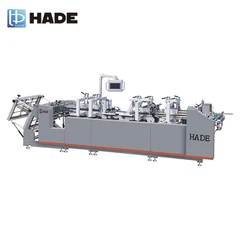
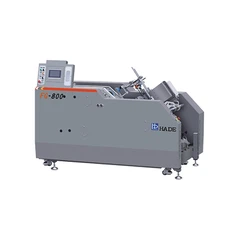
In the dynamic landscape of textile packaging facilities, the pursuit of efficiency, precision, and cost - effectiveness is an ongoing journey. As a proud supplier of Automatic Box Stackers, I am often asked whether these machines can be effectively utilized in textile packaging operations. In this blog, I will explore the viability and benefits of integrating an Automatic Box Stacker into a textile packaging facility.
Understanding the Textile Packaging Process
Before delving into the suitability of an Automatic Box Stacker, it's crucial to understand the textile packaging process. Textiles come in various forms, including clothing, fabrics, and home textiles. These products need to be carefully packed to protect them from damage, maintain their quality, and facilitate easy storage and transportation.
The packaging process typically involves placing the textiles into boxes, which may be of different sizes and shapes depending on the product. Once the boxes are filled, they need to be stacked in an organized manner for storage in warehouses or for loading onto trucks for distribution. Traditionally, this stacking process has been done manually, which can be labor - intensive, time - consuming, and prone to human error.
The Role of an Automatic Box Stacker
An Automatic Box Stacker is a machine designed to stack boxes in a precise and efficient manner. It can handle boxes of different sizes and weights, and it can stack them in various patterns, such as single - layer stacks, multi - layer stacks, or custom - designed configurations.
The machine uses advanced sensors and control systems to detect the position and orientation of the boxes, ensuring that they are stacked accurately. This not only improves the stability of the stacks but also maximizes the use of storage space.
Advantages of Using an Automatic Box Stacker in a Textile Packaging Facility
1. Increased Efficiency
One of the most significant advantages of using an Automatic Box Stacker is the increase in efficiency. Manual stacking is a slow process, especially when dealing with a large volume of boxes. An Automatic Box Stacker can stack boxes at a much faster rate, reducing the time required for the packaging process. This allows textile packaging facilities to increase their production output and meet customer demands more quickly.
2. Improved Accuracy
Manual stacking can lead to uneven stacks, which can cause problems during storage and transportation. An Automatic Box Stacker ensures that boxes are stacked precisely, reducing the risk of boxes falling over or getting damaged. This improves the overall quality of the packaging and reduces the likelihood of product returns due to damaged goods.
3. Labor Savings
Labor costs are a significant expense for textile packaging facilities. By automating the box - stacking process, facilities can reduce their reliance on manual labor. This not only saves on labor costs but also frees up employees to perform other tasks, such as quality control or inventory management.
4. Space Optimization
In a textile packaging facility, space is often at a premium. An Automatic Box Stacker can stack boxes in a more compact and organized manner, maximizing the use of available storage space. This can help facilities reduce their storage costs and increase their overall storage capacity.
5. Compatibility with Other Equipment
An Automatic Box Stacker can be easily integrated with other equipment in a textile packaging facility, such as box - filling machines and conveyor systems. This creates a seamless and automated packaging line, further improving the efficiency of the overall packaging process. For example, it can work in tandem with an Automatic Gluing Pump to ensure that boxes are properly sealed before stacking.
Considerations for Implementing an Automatic Box Stacker
While the benefits of using an Automatic Box Stacker in a textile packaging facility are clear, there are also some considerations that need to be taken into account before implementation.
1. Box Size and Weight Variations
Textile packaging facilities may use boxes of different sizes and weights. It's important to choose an Automatic Box Stacker that can handle the specific range of box sizes and weights used in the facility. Some stackers can be adjusted to accommodate different box dimensions, while others may require custom - made attachments.


2. Facility Layout
The layout of the textile packaging facility can also impact the implementation of an Automatic Box Stacker. The machine needs to be installed in a location where it can easily access the boxes and where there is enough space for the stacks. Additionally, the facility may need to make some modifications to its conveyor systems or other equipment to ensure seamless integration.
3. Maintenance and Training
Like any other machine, an Automatic Box Stacker requires regular maintenance to ensure optimal performance. It's important to have a maintenance plan in place and to train employees on how to operate and maintain the machine. This will help prevent breakdowns and ensure that the machine operates efficiently for a long time.
Case Studies: Successful Implementation in Textile Packaging Facilities
There are several examples of textile packaging facilities that have successfully implemented Automatic Box Stackers. For instance, a large textile manufacturer in Asia was facing challenges with manual box stacking. The process was slow, and there were frequent cases of boxes falling over during storage. After installing an Automatic Box Stacker, the company was able to increase its stacking speed by 50%, reduce product damage by 30%, and save on labor costs.
Another case is a European textile packaging facility that wanted to optimize its storage space. By using an Automatic Box Stacker to stack boxes more compactly, the facility was able to increase its storage capacity by 20% without expanding its warehouse.
Complementary Equipment in the Packaging Process
In addition to the Automatic Box Stacker, other equipment can enhance the textile packaging process. A Glue - spraying System can be used to ensure that boxes are securely sealed before stacking. This system can apply glue evenly and precisely, reducing the risk of boxes coming apart during transportation.
An Automatic Gluing Pump, on the other hand, can provide a continuous and consistent supply of glue to the glue - spraying system. This ensures that the gluing process is efficient and reliable, further improving the quality of the packaging.
Conclusion
In conclusion, an Automatic Box Stacker can be a valuable addition to a textile packaging facility. It offers numerous benefits, including increased efficiency, improved accuracy, labor savings, space optimization, and compatibility with other equipment. While there are some considerations to take into account before implementation, the potential advantages far outweigh the challenges.
If you are a textile packaging facility looking to improve your packaging process, I encourage you to consider investing in an Automatic Box Stacker. Our company specializes in providing high - quality Automatic Box Stackers and related equipment, and we have a team of experts who can help you choose the right machine for your specific needs. Contact us today to start a discussion about how we can help you optimize your textile packaging operations.
References
- "Automation in Packaging: Trends and Technologies" - Industry Report
- "Textile Packaging Best Practices" - Journal of Textile Packaging
- "Case Studies in Packaging Automation" - Packaging Solutions Magazine