

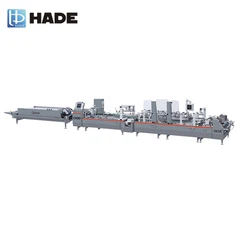

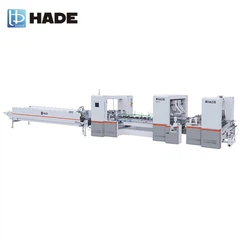
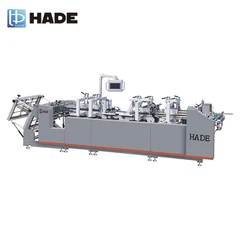
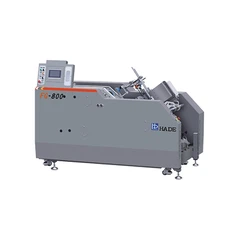
Hey there! I'm a supplier of Automatic Gluing Pumps, and today, I wanna chat about whether an Automatic Gluing Pump can be used for glue with high elasticity.
First off, let's understand what high - elasticity glue is. High - elasticity glue has the ability to stretch and return to its original shape without breaking. It's commonly used in industries where flexibility and durability are key, like in the manufacturing of rubber products, soft plastics, and some types of fabric bonding. The thing about this kind of glue is that it has different flow properties compared to regular glue. It's often thicker and more viscous, and its elasticity can make it a bit tricky to handle.

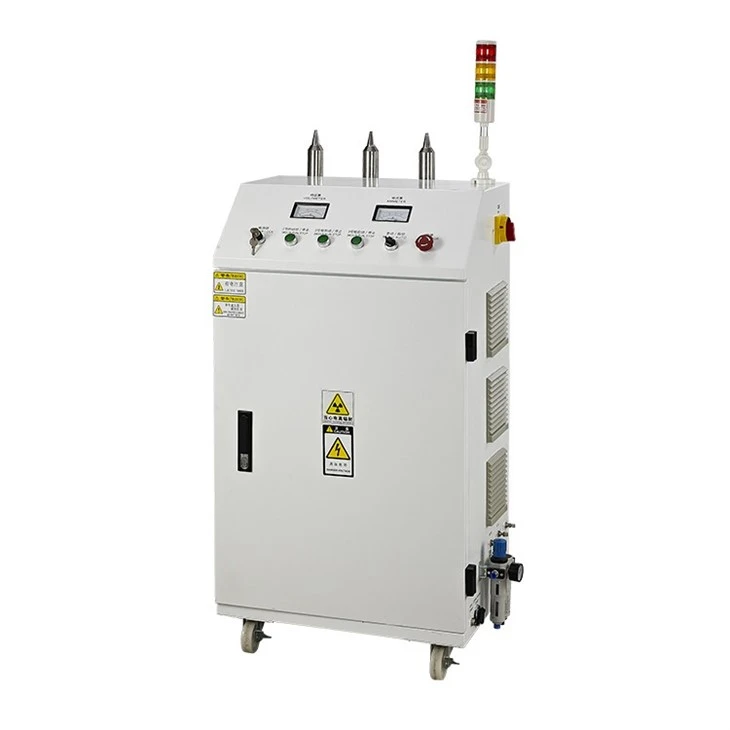
Now, let's talk about Automatic Gluing Pumps. These pumps are designed to dispense glue in a controlled and automated manner. They're used in a wide range of applications, from simple DIY projects to large - scale industrial production. The main advantage of an Automatic Gluing Pump is that it can provide consistent glue application, which is super important for quality control.
So, can an Automatic Gluing Pump handle high - elasticity glue? Well, the answer isn't a straightforward yes or no. It depends on a few factors.
1. Pump Design
The design of the pump is crucial. Some pumps are built with a simple piston or diaphragm mechanism. For high - elasticity glue, a piston - type pump might face some challenges. The high viscosity and elasticity of the glue can cause the piston to stick or have difficulty in pushing the glue through the system. On the other hand, a diaphragm pump can be more suitable. The diaphragm can flex and adapt to the flow characteristics of the high - elasticity glue, allowing for a more consistent dispensing.
2. Pressure and Flow Rate
The pressure and flow rate of the pump need to be adjustable. High - elasticity glue requires more pressure to be pumped through the system because of its high viscosity. If the pump can't generate enough pressure, the glue won't flow properly, and you'll end up with inconsistent application. Also, the flow rate needs to be set correctly. Too high a flow rate can lead to excessive glue being dispensed, while too low a rate can cause gaps in the glue application.
3. Compatibility with Glue
The materials used in the pump should be compatible with the high - elasticity glue. Some glues can react chemically with certain metals or plastics, which can lead to corrosion or degradation of the pump components. It's important to choose a pump that is made from materials that can withstand the chemical properties of the high - elasticity glue.
At our company, we've done a lot of testing with different types of high - elasticity glues. We've developed a series of Automatic Gluing Pumps that are specially designed to handle these challenging glues. Our pumps have adjustable pressure and flow rate settings, so you can customize the dispensing according to the specific requirements of your project.
We also offer a range of corollary equipment that can work in tandem with our Automatic Gluing Pumps. For example, the Surface Treatment Equipment can prepare the surface before gluing, ensuring better adhesion. The Inkject and Turnovermachine can be used for additional processes like ink injection and product turnover. And the Automatic Box Stacker can help with the post - gluing stacking process.
In real - world applications, we've seen our pumps being used successfully in the automotive industry. High - elasticity glue is often used to bond rubber seals and gaskets in cars. Our Automatic Gluing Pumps can provide a precise and consistent glue application, ensuring a tight and durable seal. In the furniture industry, high - elasticity glue is used to bond flexible materials like fabric and leather. Our pumps can handle the glue well, allowing for a smooth and even bonding process.
However, it's important to note that proper maintenance is key when using an Automatic Gluing Pump with high - elasticity glue. Since the glue is thicker and more viscous, it can leave residues in the pump if not cleaned properly. Regular cleaning and lubrication of the pump components can prevent clogging and ensure the long - term performance of the pump.
If you're in the market for an Automatic Gluing Pump for high - elasticity glue, we're here to help. Our team of experts can provide you with detailed information about the pump specifications, compatibility, and operation. We can also offer on - site training and support to make sure you get the most out of our products. Whether you're a small - scale workshop or a large - scale manufacturing plant, we have the right solution for you.
So, if you're interested in learning more about our Automatic Gluing Pumps or have any questions about using them with high - elasticity glue, don't hesitate to reach out. We're always happy to have a chat and discuss how we can meet your specific needs. Let's work together to find the perfect gluing solution for your business!
References
- "Handbook of Adhesives and Sealants", Second Edition. Edited by Henry S. Katz and Allan J. Milewski.
- "Industrial Pump Handbook", Third Edition. By Igor J. Karassik, Joseph P. Messina, Paul Cooper, and Charles C. Heald.