





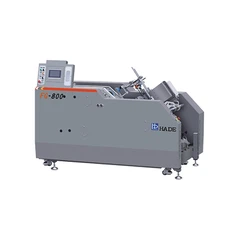
Hey there! As a supplier of grinders used on folder gluers, I know firsthand how important it is to keep these machines clean. A well - maintained grinder not only ensures smooth operation but also extends the lifespan of your equipment. In this blog, I'll share some tips on how to clean a grinder used on a folder gluer.
Why Cleaning is Crucial
Before we jump into the cleaning process, let's talk about why it's so important. Over time, glue residue, dust, and other debris can build up on the grinder. This buildup can affect the performance of the grinder, leading to uneven grinding, reduced efficiency, and even mechanical failures. By regularly cleaning your grinder, you can prevent these issues and keep your folder gluer running at its best.
Preparation
First things first, you need to gather the necessary tools and materials. You'll need a set of cleaning brushes, preferably with different bristle stiffnesses. A soft - bristle brush is great for delicate parts, while a stiff - bristle brush can handle tougher grime. You'll also need a cleaning solvent that's suitable for the type of glue and materials used in your grinder. Check the manufacturer's recommendations to make sure you're using the right solvent. Additionally, have some clean rags or towels on hand to dry the parts after cleaning.
Safety First
Before you start cleaning, make sure the grinder is turned off and unplugged. This is a no - brainer, but it's worth repeating. You don't want any accidental starts while you're working on the machine. Also, wear appropriate safety gear, such as gloves and safety glasses, to protect yourself from the cleaning solvent and any debris that might fly off during the cleaning process.
Disassembling the Grinder
Depending on the model of your grinder, you may need to disassemble some parts for a thorough cleaning. Start by removing any removable covers or guards. Use the appropriate tools, like screwdrivers or wrenches, to take these parts off. Be careful not to lose any small screws or bolts. Keep them organized in a container so you can easily put the grinder back together later.
Once the covers are off, you can access the grinding components. Some grinders have grinding wheels or blades that can be removed. Again, follow the manufacturer's instructions for safe removal. If you're not sure how to disassemble a particular part, it's better to consult the manual or contact the manufacturer for guidance.
Cleaning the Components
Now it's time to start cleaning the individual components. Dip the soft - bristle brush into the cleaning solvent and gently scrub the parts. Pay special attention to areas where glue residue is likely to accumulate, such as the edges of the grinding wheels or the surfaces that come into contact with the material being ground.
For tougher grime, you can use the stiff - bristle brush. But be careful not to scratch or damage the parts. If there are stubborn spots that won't come off with brushing, you can soak the parts in the cleaning solvent for a short period. Just make sure the solvent won't damage the material of the part.
After brushing, use a clean rag to wipe off the excess solvent and debris. You may need to repeat the process a few times to get all the dirt out. Once the parts are clean, let them dry completely before reassembling the grinder.
Cleaning the Housing and Exterior
Don't forget about the housing and exterior of the grinder. Use a damp rag to wipe down the outside of the machine, removing any dust or dirt. You can also use a mild detergent if there are stubborn stains. Make sure to dry the exterior thoroughly to prevent rust or corrosion.
Reassembling the Grinder
Once all the parts are clean and dry, it's time to put the grinder back together. Start by reinstalling the grinding components, making sure they are properly aligned and tightened. Then, replace the covers and guards, and secure them with the screws or bolts you removed earlier.
Lubrication
After reassembling the grinder, it's a good idea to lubricate the moving parts. Check the manufacturer's recommendations for the type of lubricant to use. Apply a small amount of lubricant to the appropriate areas, such as the bearings or shafts. This will help reduce friction and ensure smooth operation.
Testing the Grinder
Before you start using the grinder again, it's important to test it. Plug it in and turn it on, and let it run for a few minutes. Listen for any unusual noises or vibrations, which could indicate a problem with the reassembly. If everything seems to be working fine, you're good to go.


Additional Tips
Regular cleaning is key to keeping your grinder in top condition. Set a schedule for cleaning, depending on how often you use the grinder. If you use it frequently, you may need to clean it every few weeks. If it's used less often, monthly cleaning may be sufficient.
Also, consider using some corollary equipment to enhance the performance of your folder gluer. For example, the Inkject and Turnovermachine can improve the printing and turnover process. The Pneumatic Conveying Equipment can help with the transportation of materials, and the Glue - spraying System can ensure a more even application of glue.
Contact Us for More
If you have any questions about cleaning your grinder or if you're interested in purchasing a new grinder or corollary equipment, don't hesitate to reach out. We're here to help you keep your folder gluer running smoothly and efficiently. Whether you're a small - scale operation or a large - scale manufacturer, we have the products and expertise to meet your needs.
References
- Manufacturer's manual of the grinder used on folder gluer
- Industry best practices for cleaning industrial equipment