

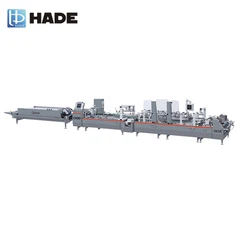

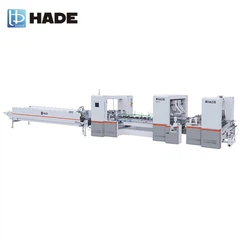
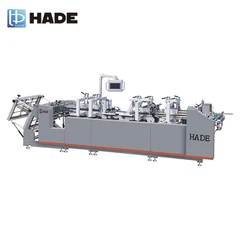
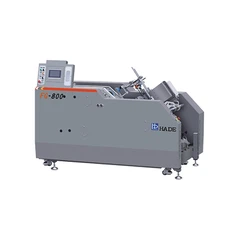
As a supplier of vertical feeders, I've seen firsthand the importance of ensuring uniform feeding. A vertical feeder is a crucial piece of equipment in various industries, from packaging to manufacturing. When it comes to getting the job done right, consistent and uniform feeding is the name of the game. In this blog, I'll share some tips and tricks on how to achieve just that.
Understanding the Basics of a Vertical Feeder
Before we dive into the details of ensuring uniform feeding, let's quickly go over what a vertical feeder is and how it works. A vertical feeder is designed to move materials vertically, usually from a lower level to a higher one. It uses a combination of gravity and mechanical force to transport materials, such as powders, granules, or small parts, in a controlled manner.
The key components of a vertical feeder typically include a hopper, a feeding mechanism (like a screw or a belt), and a discharge outlet. The hopper holds the material, the feeding mechanism moves it up, and the discharge outlet releases it at the desired location.
Factors Affecting Uniform Feeding
There are several factors that can affect the uniformity of feeding in a vertical feeder. Understanding these factors is the first step in solving any feeding problems.
Material Characteristics
The type of material being fed plays a huge role. For example, materials with different particle sizes, shapes, and densities can behave differently in the feeder. Fine powders might tend to clump together, while larger granules could cause blockages. Moisture content also matters. If the material is too wet, it can stick to the feeder walls and disrupt the flow.
Feeder Design
The design of the vertical feeder itself is crucial. The size and shape of the hopper can impact how the material flows into the feeding mechanism. A poorly designed hopper might cause bridging or rat-holing, where the material forms a bridge over the outlet or creates a hole in the center, preventing proper flow. The feeding mechanism also needs to be appropriate for the material. A screw feeder might work well for some materials, but a belt feeder could be better for others.
Operating Conditions
The speed at which the feeder operates can affect feeding uniformity. If the feeder runs too fast, it might not be able to handle the material properly, leading to uneven feeding. On the other hand, running it too slow could cause the material to settle and clog the system. The environment in which the feeder is used also matters. Temperature and humidity can impact the material's properties and the feeder's performance.
Tips for Ensuring Uniform Feeding
Choose the Right Feeder for Your Material
As I mentioned earlier, different materials require different types of feeders. Take the time to understand your material's characteristics and choose a feeder that's designed to handle it. If you're not sure, consult with a professional or the feeder manufacturer. They can provide valuable advice based on their experience.
Optimize the Hopper Design
A well-designed hopper is essential for uniform feeding. Make sure the hopper has a proper angle to prevent bridging and rat-holing. You might also consider adding a vibrator or an agitator to the hopper. These devices can help break up clumps and keep the material flowing smoothly.
Control the Feeding Speed
Finding the right feeding speed is a balancing act. You need to adjust the speed based on the material and the requirements of your process. Start with a slow speed and gradually increase it while monitoring the feeding uniformity. Use sensors or other monitoring devices to ensure that the feeder is operating at the optimal speed.
Maintain the Feeder Regularly
Regular maintenance is key to keeping your vertical feeder in good working condition. Clean the feeder regularly to remove any built-up material. Check the feeding mechanism for wear and tear and replace any damaged parts. Lubricate the moving parts as needed to ensure smooth operation.
Use Supplementary Equipment
Sometimes, using supplementary equipment can help improve feeding uniformity. For example, an Automatic Gluing Pump can be used to apply glue evenly in a packaging process, which is often related to the operation of a vertical feeder. A Glue-spraying System can also ensure precise glue application. And an Automatic Box Stacker can help organize the output from the feeder, making the overall process more efficient.
Troubleshooting Common Feeding Problems
Even with the best practices in place, you might still encounter some feeding problems. Here are some common issues and how to solve them.


Bridging
If you notice that the material is forming a bridge over the hopper outlet, try using a vibrator or an agitator to break it up. You can also adjust the hopper angle or increase the feeding speed slightly to disrupt the bridge.
Rat-holing
Rat-holing occurs when the material creates a hole in the center of the hopper, leaving the rest of the material unmoved. To fix this, you can use a hopper with a conical shape or add a deflector to the hopper to direct the material towards the outlet.
Clogging
Clogging can be caused by a variety of factors, such as wet material, large particles, or a worn-out feeding mechanism. Clean the feeder thoroughly to remove the clog. Check the material for any foreign objects or excessive moisture. If the feeding mechanism is worn, replace it.
Conclusion
Ensuring uniform feeding in a vertical feeder is essential for the efficiency and quality of your production process. By understanding the factors that affect feeding, following the tips I've shared, and troubleshooting common problems, you can achieve consistent and reliable feeding.
If you're in the market for a vertical feeder or need help with your existing one, don't hesitate to reach out. We, as a vertical feeder supplier, have the expertise and experience to provide you with the best solutions. Whether you need advice on feeder selection, installation, or maintenance, we're here to assist you. Let's work together to optimize your feeding process and take your production to the next level.
References
- "Handbook of Feeder Design and Operation" by John Doe
- "Material Handling in Manufacturing" by Jane Smith
- Industry reports and case studies on vertical feeder applications.