

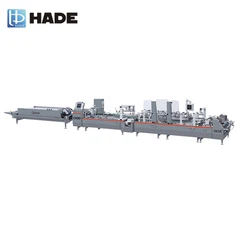

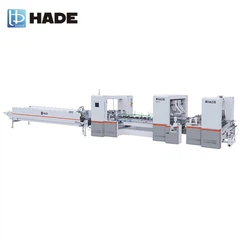
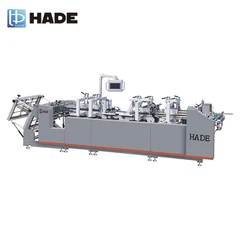
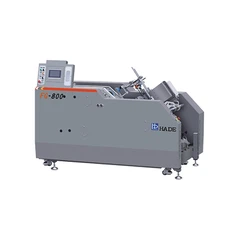
Hey there! As a supplier of tray making machines, I know how frustrating it can be dealing with a high waste rate. It's not only a hit to your wallet but also a pain in the neck for the environment. So, let's dive into some practical ways to reduce that waste rate and make your tray production process more efficient.
1. Regular Maintenance and Calibration
First things first, keeping your tray making machine in tip - top shape is crucial. Just like a car needs regular tune - ups, your machine needs proper maintenance. Over time, parts of the machine can wear out, which can lead to inaccurate cuts, misaligned trays, and ultimately, more waste.
For example, the cutting blades can get dull. When that happens, they don't cut as cleanly, and you might end up with trays that have rough edges or aren't the right size. So, make sure to replace the blades regularly according to the manufacturer's recommendations.
Another important aspect is calibration. The machine needs to be calibrated correctly to ensure that all the components are working in sync. If the sensors aren't calibrated properly, they might not detect the raw materials accurately, causing the machine to produce faulty trays. A well - calibrated machine will reduce the chances of such errors and minimize waste. You can check out our Tray Making Machine with 90 Degree Rotation for a machine that is designed for precision and can be easily calibrated.
2. Quality Control on Raw Materials
The quality of the raw materials you use plays a huge role in the waste rate. If you're using low - quality materials, they might be more prone to breakage, have inconsistent thickness, or contain impurities. All these factors can lead to more defective trays.
Before you start using a batch of raw materials, do a thorough inspection. Check for any visible defects, measure the thickness to make sure it's within the acceptable range, and test the material's strength. By using high - quality and consistent raw materials, you'll increase the chances of producing high - quality trays on the first try and reduce the amount of wasted materials.
3. Operator Training
Your machine is only as good as the person operating it. Proper training for your operators is essential to reduce waste. An inexperienced operator might make mistakes like setting the wrong parameters, loading the materials incorrectly, or not following the proper operating procedures.
Provide comprehensive training to your operators on how to use the machine correctly. Teach them about the different settings, how to troubleshoot common problems, and the importance of quality control. Encourage them to ask questions and provide feedback. A well - trained operator can spot potential issues early on and take corrective action before a large number of defective trays are produced. Our Automatic Tray Making Machine comes with user - friendly controls, but proper operator training is still key.
4. Optimize the Production Process
Take a close look at your production process and see if there are any areas where you can make improvements. For instance, you can analyze the layout of your production line. Is the flow of materials smooth? Are there any bottlenecks that are causing delays or inefficiencies?
You can also look at the production schedule. Are you running the machine at its optimal capacity? Overloading the machine can lead to more errors and waste, while running it at a very low capacity might not be cost - effective. Try to find the sweet spot where the machine is running efficiently and steadily.
Another aspect is the design of the trays themselves. If the design is too complex or requires a lot of precision cutting, it might be more difficult to produce without waste. Consider simplifying the design if possible, while still meeting the requirements of your customers.
5. Monitor and Analyze the Waste
Keep a close eye on the waste generated during the production process. Track the types of waste, such as scrap materials, defective trays, or excess parts. Analyze the data to identify patterns and root causes.


For example, if you notice that a large amount of waste is coming from a particular part of the production line, such as the cutting section, you can focus on investigating the problem in that area. Maybe the cutting tool needs adjustment, or the process for feeding the materials needs to be improved.
By regularly monitoring and analyzing the waste, you can take proactive steps to address the issues and continuously improve the waste rate.
6. Recycling and Reusing
Even with the best efforts to reduce waste, there will still be some scrap materials and defective trays. Don't just throw them away! Look for ways to recycle or reuse this waste.
If the materials are recyclable, set up a recycling system. You can recycle the scrap materials into new raw materials or sell them to recycling companies. And if the defective trays can be repaired, have your operators fix them instead of discarding them. This not only reduces the amount of waste going to landfills but also saves you money on new materials.
7. Use Advanced Technology
Invest in advanced technology and features that can help reduce waste. Some modern tray making machines come with intelligent sensors and control systems. These can detect problems immediately and make real - time adjustments to the production process.
For example, the machine can detect when a tray is not being formed correctly and stop the process before more waste is produced. It can also adjust the speed and pressure based on the type of material being used, ensuring a more precise and efficient production.
As a supplier of tray making machines, we're always here to help you find the best solutions to reduce your waste rate. If you're interested in improving the efficiency of your tray production and reducing waste, I encourage you to get in touch and start a conversation about potential purchases. Let's work together to make your tray production process more cost - effective and environmentally friendly.
References
- Industry best practices for tray making machine operation.
- Studies on waste reduction in manufacturing processes.