




Hey there! As a supplier of Glue - spraying Systems, I've seen my fair share of common problems that users run into. In this blog, I'm gonna share some tips on how to troubleshoot these issues.
1. Blockages in the Nozzle
One of the most frequent problems in a glue - spraying system is nozzle blockage. This can happen for a few reasons. Maybe the glue has dried up inside the nozzle, or there are some impurities in the glue.
How to Identify
If you notice that the glue is not being sprayed evenly, or there are gaps in the sprayed pattern, it could be a sign of a blocked nozzle. Sometimes, you might also hear a strange hissing sound when the system is operating.
Troubleshooting Steps
First, turn off the glue - spraying system and relieve the pressure. Then, carefully remove the nozzle. You can soak it in a suitable solvent recommended by the glue manufacturer. This will help dissolve the dried - up glue. After soaking for a while, use a small brush, like a toothbrush, to gently clean the nozzle holes. Make sure all the holes are clear. If there are still blockages, you can use a thin wire to carefully poke through the holes, but be super careful not to damage the nozzle.
2. Inconsistent Glue Flow
Another common headache is inconsistent glue flow. This can lead to uneven bonding, which is a big no - no in any application.
How to Identify
You'll see that the amount of glue being sprayed varies from one area to another. For example, in a packaging application, some parts of the box might have too much glue, while others have too little.
Troubleshooting Steps
Check the glue reservoir first. Make sure there is enough glue in it. If the level is low, refill it. Also, check for any air bubbles in the glue lines. Air bubbles can disrupt the flow. To get rid of them, you can gently tap on the glue lines to make the bubbles rise to the top and then release the pressure to let the air out.


The pump could also be the culprit. Check if the pump is working properly. Look for any signs of wear or damage on the pump components. If the pump is old or damaged, it might need to be replaced. You can also adjust the pump speed settings. Sometimes, the flow can be adjusted by increasing or decreasing the pump speed according to your requirements.
3. Leakage in the System
Leakage is not only a waste of glue but can also create a messy work environment and affect the performance of the system.
How to Identify
You'll see glue dripping from the hoses, connections, or other parts of the system. There might also be a sticky residue around the areas where the leakage is occurring.
Troubleshooting Steps
Inspect all the hoses and connections thoroughly. Look for any cracks, cuts, or loose fittings. If you find a damaged hose, replace it immediately. For loose connections, tighten them using the appropriate tools. Make sure not to over - tighten, as this can damage the fittings.
Sometimes, the seals in the system can wear out. Check the seals around the pumps, valves, and other components. If a seal is damaged or worn, replace it with a new one. You can usually find replacement seals from the system manufacturer or a reliable supplier.
4. Incorrect Glue Temperature
Glue temperature plays a crucial role in its viscosity and flow properties. If the temperature is off, it can cause all sorts of problems.
How to Identify
If the glue is too cold, it will be thick and might not flow properly, resulting in poor spraying performance. On the other hand, if it's too hot, the glue might start to break down, lose its bonding strength, or even emit unpleasant odors.
Troubleshooting Steps
Check the temperature control settings of the glue - spraying system. Make sure the settings are correct according to the glue manufacturer's recommendations. If the temperature is too low, increase the heating settings gradually. If it's too high, reduce the heat.
Also, check the heating elements in the system. Look for any signs of damage or malfunction. If a heating element is not working, it needs to be replaced. You can use a thermometer to measure the actual glue temperature to ensure it's within the correct range.
5. Electrical Problems
Since most modern glue - spraying systems are electrically powered, electrical problems can occur.
How to Identify
The system might not turn on at all, or it could shut down unexpectedly during operation. You might also notice strange electrical noises or flickering lights on the control panel.
Troubleshooting Steps
First, check the power supply. Make sure the system is properly plugged in and that the circuit breaker hasn't tripped. If the power supply is okay, check the wiring connections inside the system. Look for any loose or damaged wires. If you find a loose wire, reconnect it securely. If a wire is damaged, you'll need to replace it.
The control panel could also be the problem. Check for any error messages on the panel. If there are error codes, refer to the system's manual to understand what they mean and how to fix them. If you're not comfortable dealing with electrical issues, it's best to call a professional electrician.
Related Equipment
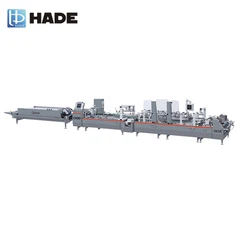
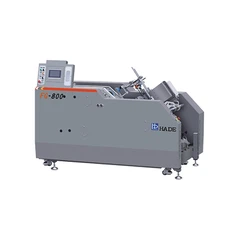
If you're in the market for corollary equipment for your folder - gluer, we've got some great options. Check out our Pneumatic Conveying Equipment, Inkject and Turnovermachine, and Grinder Used On Folder Gluer. These pieces of equipment can work in harmony with your glue - spraying system to improve your overall production efficiency.
Conclusion
Troubleshooting common problems in a glue - spraying system might seem like a daunting task, but with a little knowledge and some basic steps, you can keep your system running smoothly. Remember, regular maintenance is key to preventing these problems from occurring in the first place.
If you're facing any issues with your glue - spraying system or are interested in purchasing a new one, don't hesitate to reach out. We're here to help you with all your glue - spraying needs. Whether you need technical support or want to discuss a new purchase, we're just a message away.
References
- Manufacturer's manuals for glue - spraying systems
- Industry - specific guides on glue application and troubleshooting