


Hey there! As a supplier of Automatic Box Stackers, I've been getting a lot of questions lately about the environmental impacts of using these machines. So, I thought I'd take a moment to break it down and share some insights with you.
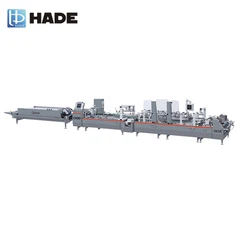
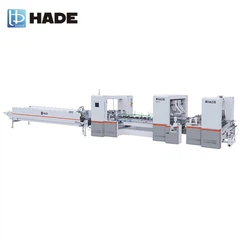
First off, let's talk about what an Automatic Box Stacker actually does. These nifty machines are designed to stack boxes automatically, which not only saves time and labor but also ensures a more consistent and efficient stacking process. They're commonly used in industries like packaging, logistics, and manufacturing, where large volumes of boxes need to be stacked and stored.
Now, let's dive into the environmental impacts. One of the most significant benefits of using an Automatic Box Stacker is the reduction in energy consumption. Traditional manual stacking methods require a lot of physical labor, which means more energy is used by workers. In contrast, Automatic Box Stackers are powered by electricity, and modern models are designed to be highly energy - efficient. They use advanced control systems that optimize the machine's operation, only consuming power when necessary. For example, some stackers can enter a low - power standby mode when not in use, further reducing energy waste.
Another environmental plus is the reduction in material waste. When boxes are stacked manually, there's a higher risk of misalignment, damage, or improper stacking. This can lead to boxes being discarded or having to be re - packed, which results in unnecessary waste. Automatic Box Stackers, on the other hand, use precise sensors and algorithms to stack boxes accurately. They can adjust the position and orientation of each box to ensure a stable and secure stack, minimizing the chances of damage during the stacking process. This means fewer boxes end up in the trash, saving valuable resources and reducing the environmental footprint associated with box production.
In addition to energy and material savings, Automatic Box Stackers can also contribute to a safer working environment. By automating the stacking process, workers are less likely to be exposed to physical hazards such as lifting heavy boxes, which can lead to back injuries and other musculoskeletal disorders. A safer workplace means fewer sick days and less reliance on medical resources, which has an indirect positive impact on the environment.
However, it's not all sunshine and rainbows. There are also some potential environmental drawbacks to using Automatic Box Stackers. The manufacturing process of these machines requires the use of raw materials such as steel, plastic, and electronic components. Extracting and processing these materials can have a significant environmental impact, including deforestation, water pollution, and greenhouse gas emissions. Additionally, the disposal of old or malfunctioning stackers at the end of their life cycle can pose a challenge if not done properly. These machines contain electronic waste, which needs to be recycled or disposed of in an environmentally friendly manner to prevent the release of harmful substances into the environment.
To mitigate these negative impacts, many manufacturers, including us, are taking steps to make our Automatic Box Stackers more sustainable. We're using recycled materials in the manufacturing process wherever possible, and we're constantly working on improving the energy efficiency of our machines. We also offer recycling programs for our old or damaged stackers, ensuring that they're disposed of in an environmentally responsible way.
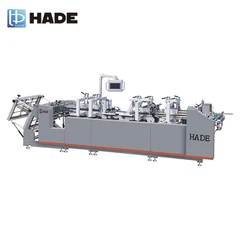
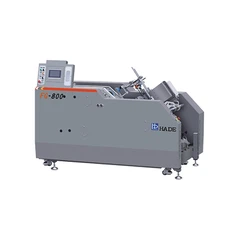
When it comes to the corollary equipment that often works in tandem with Automatic Box Stackers, there are also environmental considerations. For instance, the Inkject and Turnovermachine is used for printing and turning boxes. Modern inkjet technologies are becoming more eco - friendly, using water - based inks that are less toxic and have a lower environmental impact compared to traditional solvent - based inks. The Glue - spraying System is another important piece of equipment. Some systems are designed to use less glue, reducing waste and the environmental impact associated with glue production. And the Pneumatic Conveying Equipment used to transport boxes can be optimized to reduce air leakage, which saves energy.
In conclusion, while there are both positive and negative environmental impacts associated with using an Automatic Box Stacker, the overall balance is tilted towards the positive side. With advancements in technology and a growing focus on sustainability, the environmental footprint of these machines is likely to continue to decrease. If you're in the market for an Automatic Box Stacker or any of the corollary equipment, I encourage you to consider the environmental aspects. We're committed to providing high - quality, energy - efficient, and sustainable solutions. Whether you're a small business looking to streamline your packaging process or a large corporation aiming to reduce your environmental impact, we've got the right equipment for you.


If you're interested in learning more about our Automatic Box Stackers and how they can benefit your business while being kind to the environment, don't hesitate to reach out. We'd love to have a chat and discuss your specific needs. Let's work together to make your operations more efficient and sustainable.
References
- "Sustainable Manufacturing in the Packaging Industry", Journal of Environmental Science and Technology
- "Energy - Efficient Automation in Industrial Processes", International Journal of Automation and Control