

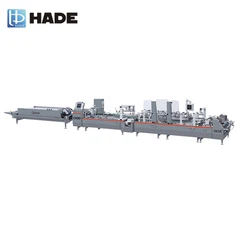

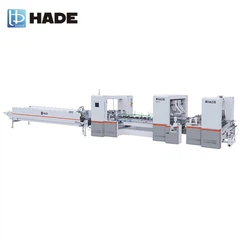
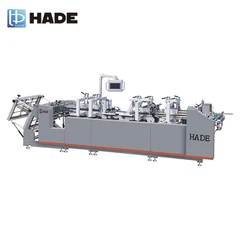
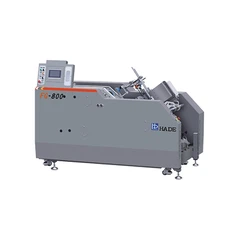
When considering the implementation of an Automatic Box Stacker in your packaging line, understanding the installation costs is crucial. As a leading supplier of Automatic Box Stackers, I'm here to break down the various factors that contribute to these costs and provide you with a comprehensive overview.
1. Equipment Cost
The first and most obvious component of the installation cost is the price of the Automatic Box Stacker itself. Our stackers are engineered with state - of - the - art technology to ensure high - speed, accurate, and reliable stacking of boxes. The cost of the equipment can vary based on several factors:
Capacity and Speed
Higher - capacity stackers that can handle a larger number of boxes per minute generally come at a higher price. For example, a stacker designed to stack 50 boxes per minute will be less expensive than one capable of stacking 150 boxes per minute. This is because the latter requires more powerful motors, advanced control systems, and sturdier construction to maintain efficiency at high speeds.
Customization
If your specific packaging requirements call for a customized Automatic Box Stacker, such as one with a unique stacking pattern or the ability to handle non - standard box sizes, the cost will increase. Customization involves additional engineering work, including the design and fabrication of specialized components. Our team of experienced engineers can work closely with you to understand your needs and develop a tailored solution, but it's important to note that this will add to the overall equipment cost.
2. Shipping and Handling
Once you've selected the appropriate Automatic Box Stacker, the next step is getting it to your facility. Shipping and handling costs are influenced by several factors:
Distance
The farther the distance between our manufacturing facility and your location, the higher the shipping cost. International shipments, in particular, can be more expensive due to customs duties, tariffs, and longer transit times. We work with a network of reliable shipping partners to ensure that your stacker is transported safely and efficiently, but these services come at a cost.
Size and Weight
Automatic Box Stackers are large and heavy pieces of equipment. Their size and weight can significantly impact shipping costs. Larger and heavier stackers may require special handling equipment, such as cranes or forklifts, at both the origin and destination. Additionally, they may need to be shipped on specialized carriers, such as flatbed trucks or container ships, which can be more expensive than standard shipping methods.
3. Installation and Commissioning
Proper installation and commissioning are essential to ensure that your Automatic Box Stacker operates smoothly and efficiently. Our team of trained technicians will travel to your facility to install and set up the equipment. The cost of installation and commissioning includes the following:
Labor
Our technicians are highly skilled professionals with extensive experience in installing and commissioning Automatic Box Stackers. The labor cost is based on the number of hours required to complete the installation, which can vary depending on the complexity of the system. For example, a simple stacker with a standard configuration may take less time to install than a customized system with multiple integrated components.
Tools and Equipment
In addition to labor, there are costs associated with the tools and equipment needed for installation. This includes items such as wrenches, screwdrivers, and diagnostic tools. Our technicians bring all the necessary tools with them, but these costs are factored into the overall installation and commissioning fee.
Testing and Calibration
Once the stacker is installed, it needs to be tested and calibrated to ensure that it meets your specific requirements. This involves running a series of tests to check the stacking accuracy, speed, and reliability of the system. Any necessary adjustments are made during this process to optimize performance. Testing and calibration are critical steps in the commissioning process, and they require specialized equipment and expertise.
4. Training
To ensure that your staff can operate and maintain the Automatic Box Stacker effectively, we offer comprehensive training programs. The cost of training includes:
On - Site Training
Our trainers will come to your facility to provide hands - on training to your operators and maintenance personnel. This includes training on how to operate the stacker, perform basic maintenance tasks, and troubleshoot common issues. On - site training is the most effective way to ensure that your staff is fully trained and confident in using the equipment.
Training Materials
In addition to on - site training, we provide training materials such as user manuals, operation guides, and maintenance schedules. These materials are designed to be easy to understand and serve as a reference for your staff after the training is completed.
5. Associated Equipment and Accessories
Depending on your specific application, you may need to purchase additional equipment and accessories to complement your Automatic Box Stacker. Some of the commonly used associated equipment includes:


Glue - spraying System
A glue - spraying system can be used in conjunction with the stacker to apply glue to the boxes before stacking. This is useful for applications where the boxes need to be bonded together. The cost of a glue - spraying system depends on its capacity, features, and level of automation.
Pneumatic Conveying Equipment
Pneumatic conveying equipment can be used to transport the boxes to and from the stacker. It offers a fast and efficient way to move boxes within the packaging line. The cost of pneumatic conveying equipment varies based on the length of the conveyor, the speed of operation, and the type of boxes it can handle.
Grinder Used On Folder Gluer
A grinder used on a folder gluer can be used to prepare the boxes for stacking by smoothing the edges or removing any excess material. The cost of the grinder depends on its size, power, and the type of grinding mechanism.
6. Maintenance and Support
After the installation of your Automatic Box Stacker, it's important to consider the long - term maintenance and support costs. We offer a range of maintenance packages to ensure that your stacker operates at peak performance throughout its lifespan.
Preventive Maintenance
Regular preventive maintenance is essential to prevent breakdowns and extend the life of your stacker. Our preventive maintenance packages include tasks such as lubrication, inspection of components, and replacement of worn - out parts. The cost of preventive maintenance depends on the frequency of service and the complexity of the system.
Technical Support
In addition to preventive maintenance, we provide technical support to help you troubleshoot any issues that may arise. Our support team is available 24/7 to answer your questions and provide remote or on - site assistance. Technical support is included in our maintenance packages, but additional charges may apply for emergency or non - standard support requests.
Conclusion
The installation costs for an Automatic Box Stacker are influenced by a variety of factors, including equipment cost, shipping and handling, installation and commissioning, training, associated equipment and accessories, and maintenance and support. As a trusted supplier, we are committed to providing you with a transparent and detailed cost breakdown. Our goal is to help you make an informed decision and ensure that you get the most value for your investment.
If you're interested in learning more about our Automatic Box Stackers or would like to discuss the installation costs in detail, please don't hesitate to contact us. Our sales team is ready to assist you with any questions you may have and guide you through the purchasing process. We look forward to the opportunity to work with you and help you improve your packaging operations.
References
- Packaging Machinery Manufacturers Institute (PMMI). (Year). Guide to Packaging Equipment Costs.
- Industry reports on Automatic Box Stacker technology and market trends.