

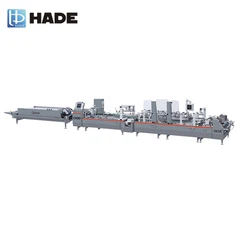

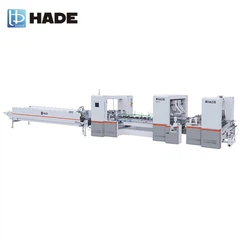
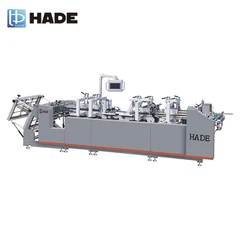
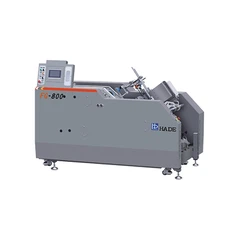
As a seasoned supplier of vertical feeders, I've encountered numerous inquiries regarding the installation requirements for these essential pieces of equipment. In this blog post, I'll delve into the key aspects that need to be considered when installing a vertical feeder, ensuring optimal performance and longevity.
Site Preparation
The first step in installing a vertical feeder is to prepare the installation site. The area should be level and stable to prevent any vibrations or misalignments during operation. A solid foundation is crucial, especially for larger or heavier vertical feeders. If the site has an uneven surface, it may be necessary to use shims or leveling pads to achieve a flat and stable base.
The installation area should also have sufficient space around the vertical feeder to allow for easy access during maintenance and operation. This includes clearance for opening the feeder's doors, accessing control panels, and performing routine inspections. Additionally, there should be enough room for any corollary equipment that may be connected to the vertical feeder, such as an Automatic Gluing Pump, an Automatic Box Stacker, or a Grinder Used On Folder Gluer.
Electrical Requirements
Vertical feeders typically require a reliable power supply to operate efficiently. Before installation, it's essential to determine the electrical specifications of the feeder, including the voltage, amperage, and phase requirements. These details can usually be found in the product manual or provided by the manufacturer.
The electrical installation should be carried out by a qualified electrician who is familiar with local electrical codes and regulations. The power supply should be properly grounded to prevent electrical hazards. It's also important to ensure that the electrical circuit has sufficient capacity to handle the load of the vertical feeder and any associated equipment.
In addition to the main power supply, some vertical feeders may require additional electrical connections for features such as lighting, control systems, or sensors. These connections should be carefully planned and installed to ensure proper functionality.
Mechanical Installation
Once the site is prepared and the electrical requirements are met, the mechanical installation of the vertical feeder can begin. This involves carefully positioning the feeder on the prepared foundation and securing it in place. The feeder should be aligned correctly to ensure smooth material flow and prevent any jams or blockages.
The feeder's components, such as the hopper, conveyor belts, and drive systems, should be installed according to the manufacturer's instructions. All bolts and fasteners should be tightened to the specified torque values to prevent loosening during operation. It's also important to check the alignment of the conveyor belts and adjust them if necessary to ensure proper tracking.
During the installation process, it's crucial to follow all safety procedures to prevent accidents. This includes wearing appropriate personal protective equipment (PPE), such as safety glasses, gloves, and hard hats. Any moving parts should be properly guarded to prevent contact with operators.
Pneumatic and Hydraulic Systems
Some vertical feeders may incorporate pneumatic or hydraulic systems to control the flow of materials or operate certain functions. If your vertical feeder has such systems, it's important to ensure that they are installed correctly and properly maintained.
The pneumatic system requires a clean and dry air supply. The air compressor should be sized appropriately to meet the demands of the feeder. The air lines should be properly connected and secured, and any filters or regulators should be installed and maintained according to the manufacturer's recommendations.


Similarly, the hydraulic system requires a clean and properly filtered hydraulic fluid. The hydraulic pump, valves, and cylinders should be installed and calibrated correctly to ensure smooth operation. Regular maintenance, such as fluid changes and filter replacements, is essential to prevent system failures.
Testing and Commissioning
After the installation is complete, the vertical feeder should be thoroughly tested and commissioned before it is put into full operation. This involves running the feeder at various speeds and loads to check for any abnormal vibrations, noises, or malfunctions. The material flow should be monitored to ensure that it is smooth and consistent.
All control systems and sensors should be tested to ensure that they are functioning correctly. This includes testing the safety interlocks and emergency stop buttons to ensure that they can quickly shut down the feeder in case of an emergency.
During the testing phase, any issues or problems that are identified should be addressed immediately. This may involve making adjustments to the feeder's settings, tightening loose components, or replacing faulty parts. Once the feeder has passed all the tests and is operating smoothly, it can be officially commissioned and put into service.
Training and Support
As a supplier of vertical feeders, we understand the importance of providing comprehensive training and support to our customers. After the installation, we offer training programs for operators and maintenance personnel to ensure that they are familiar with the feeder's operation, maintenance, and safety procedures.
Our training programs cover topics such as feeder startup and shutdown procedures, material handling techniques, maintenance schedules, and troubleshooting. We also provide ongoing technical support to our customers, including remote monitoring and diagnostic services.
If you have any questions or need assistance with the installation or operation of your vertical feeder, our team of experts is always ready to help. We are committed to ensuring that our customers get the most out of their vertical feeders and achieve optimal performance.
Conclusion
Installing a vertical feeder requires careful planning and attention to detail. By following the installation requirements outlined in this blog post, you can ensure that your vertical feeder is installed correctly and operates efficiently. Remember to prepare the site properly, meet the electrical and mechanical requirements, install any pneumatic or hydraulic systems correctly, and thoroughly test and commission the feeder before putting it into service.
If you're in the market for a vertical feeder or need assistance with the installation of an existing one, we invite you to contact us for more information. Our team of experienced professionals can help you choose the right feeder for your application and provide you with the support you need to ensure a successful installation.
References
- Manufacturer's installation manuals for vertical feeders
- Local electrical and building codes and regulations
- Industry standards for material handling equipment