

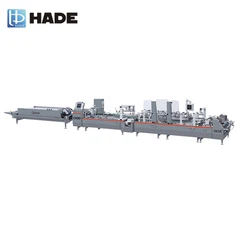

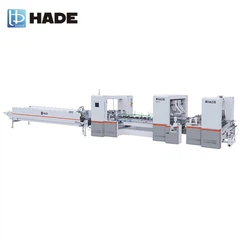
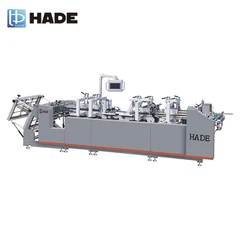
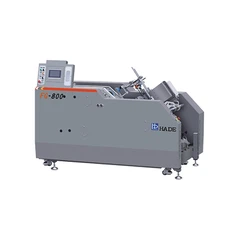
Hey there! As a supplier of Automatic Box Stackers, I've seen firsthand how these machines can revolutionize the packaging process. They're super efficient, saving time and labor. But just like any powerful piece of equipment, operating an Automatic Box Stacker comes with its own set of safety precautions. In this blog, I'll share some essential safety tips to keep you and your team safe while using these amazing machines.
Pre - operation Checks
Before you even think about turning on the Automatic Box Stacker, you need to do a thorough pre - operation check. First off, take a look at the power cord. Make sure it's not frayed or damaged. A damaged cord can lead to electrical shocks, which are no joke. If you spot any issues, don't try to use the machine. Instead, get the cord replaced by a professional.
Next, check the mechanical parts. Look for any loose bolts or screws. Over time, the vibrations from the machine can cause these to come loose. A loose part can fly off during operation and cause serious injury. Tighten any loose components before starting the machine.
Inspect the sensors. The Automatic Box Stacker relies on sensors to function properly. These sensors detect the position of the boxes and control the stacking process. If a sensor is dirty or malfunctioning, the machine might not work as expected. Clean the sensors gently with a soft, dry cloth and make sure they're properly aligned.
Personal Protective Equipment (PPE)
Wearing the right PPE is crucial when operating an Automatic Box Stacker. First, you should always wear safety glasses. During the stacking process, small particles or debris might fly up. Safety glasses protect your eyes from these potential hazards.
Steel - toed boots are a must. The boxes being stacked can be heavy, and if one were to accidentally fall on your foot, steel - toed boots can prevent serious injuries. They provide a hard outer shell that absorbs the impact.
Gloves are also important. They not only protect your hands from cuts and abrasions but also give you a better grip on the boxes if you need to handle them manually. Make sure the gloves are appropriate for the type of work you're doing. For example, if you're dealing with boxes that have sharp edges, choose cut - resistant gloves.
Training and Familiarization
All operators should receive proper training before using the Automatic Box Stacker. This training should cover how the machine works, including its controls, sensors, and safety features. Operators need to understand how to start and stop the machine safely, as well as how to troubleshoot minor issues.
Familiarize yourself with the emergency stop button. It's usually a large, red button that's easy to reach. In case of an emergency, you can press this button to immediately stop the machine. Make sure everyone knows where it is and how to use it.
Operating Procedures
When operating the Automatic Box Stacker, follow the correct procedures. Don't overload the machine. Each stacker has a maximum weight and height capacity. Exceeding these limits can cause the machine to malfunction or even tip over.
Keep your hands and other body parts clear of the moving parts. The stacker has belts, rollers, and other components that can cause serious injury if you get caught in them. Avoid reaching into the machine while it's running. If you need to perform maintenance or clear a jam, turn off the machine first.
Don't try to modify the machine on your own. The Automatic Box Stacker is designed to work in a specific way, and any unauthorized modifications can void the warranty and pose a safety risk. If you have any suggestions for improvements or encounter a problem, contact the manufacturer or a qualified technician.
Maintenance and Servicing
Regular maintenance is essential to keep the Automatic Box Stacker in good working condition. Follow the manufacturer's recommended maintenance schedule. This might include tasks like lubricating the moving parts, checking the hydraulic system (if applicable), and replacing worn - out components.
During servicing, make sure the machine is completely shut down and disconnected from the power source. Lock out and tag out the machine to prevent anyone from accidentally turning it on while you're working on it.
Working Environment
The working environment also plays a role in safety. Keep the area around the Automatic Box Stacker clean and free of clutter. Boxes, tools, and other objects lying around can cause you to trip and fall.
Make sure the floor is dry and non - slippery. If there's any spillage, clean it up immediately. A slippery floor is a major safety hazard, especially when you're operating heavy machinery.
Related Equipment
If you're using corollary equipment along with the Automatic Box Stacker, such as the Inkject and Turnovermachine, Vertical Feeder, or Pneumatic Conveying Equipment, make sure to follow the safety precautions for those as well. Each piece of equipment has its own unique features and potential hazards.


Contact for Purchase and Consultation
If you're interested in purchasing an Automatic Box Stacker or have any questions about safety or operation, don't hesitate to reach out. We're here to help you make the most of your packaging process while keeping safety a top priority.
References
- Manufacturer's manual for the Automatic Box Stacker
- Occupational Safety and Health Administration (OSHA) guidelines for industrial machinery operation