


What is the adhesion strength of the glue applied by a folding and gluing machine?
As a supplier of folding and gluing machines, I've often been asked about the adhesion strength of the glue applied by these machines. Adhesion strength is a critical factor in the packaging industry, as it directly impacts the quality and durability of the final product. In this blog post, I'll delve into the concept of adhesion strength, the factors that influence it, and how our folding and gluing machines ensure optimal performance.
Understanding Adhesion Strength
Adhesion strength refers to the force required to separate two bonded materials. In the context of a folding and gluing machine, it's the ability of the glue to hold the folded parts of a carton or box together. This strength is measured in units of force per unit area, such as pounds per square inch (psi) or newtons per square millimeter (N/mm²). A high adhesion strength indicates a strong bond, which is essential for maintaining the structural integrity of the packaging.
The adhesion strength of the glue is influenced by several factors, including the type of glue used, the surface properties of the materials being bonded, the application method, and the environmental conditions during and after bonding.


Types of Glues Used in Folding and Gluing Machines
There are various types of glues available for use in folding and gluing machines, each with its own characteristics and adhesion properties. Some of the most common types include:
- Water-based glues: These are the most widely used glues in the packaging industry due to their low cost, ease of application, and environmental friendliness. Water-based glues are typically made from polymers such as polyvinyl acetate (PVA) or acrylics. They offer good adhesion to a variety of materials, including paper, cardboard, and corrugated board. However, their adhesion strength can be affected by humidity and temperature, and they may take longer to dry compared to other types of glues.
- Hot melt glues: Hot melt glues are thermoplastic adhesives that are melted and applied in a molten state. They solidify quickly upon cooling, providing a strong bond. Hot melt glues offer excellent adhesion to a wide range of materials, including plastics, metals, and wood. They are resistant to moisture and chemicals, and they can be used in high-speed production lines. However, they require specialized equipment for melting and application, and they can be more expensive than water-based glues.
- Solvent-based glues: Solvent-based glues are made from polymers dissolved in a solvent. They offer high adhesion strength and fast drying times. Solvent-based glues are suitable for bonding difficult-to-adhere materials, such as plastics and rubber. However, they contain volatile organic compounds (VOCs), which can be harmful to the environment and human health. They also require proper ventilation during application.
Factors Affecting Adhesion Strength
In addition to the type of glue used, several other factors can affect the adhesion strength of the glue applied by a folding and gluing machine:
- Surface preparation: The surface of the materials being bonded must be clean, dry, and free of contaminants such as dust, grease, and oil. Any impurities on the surface can reduce the adhesion strength of the glue. In some cases, the surface may need to be treated with a primer or adhesive promoter to improve adhesion.
- Application method: The way the glue is applied can also affect its adhesion strength. The glue must be applied evenly and in the correct amount. Too little glue may result in a weak bond, while too much glue can cause overflow and messy joints. Our folding and gluing machines are designed to apply the glue precisely, ensuring optimal adhesion.
- Pressure and temperature: Applying pressure during the bonding process can help to improve the adhesion strength of the glue. The pressure helps to spread the glue evenly and ensures good contact between the two surfaces. Temperature also plays a crucial role in the adhesion process. Different types of glues have different optimal temperature ranges for bonding. Our machines are equipped with temperature control systems to ensure that the glue is applied at the correct temperature.
- Environmental conditions: The environmental conditions during and after bonding can also affect the adhesion strength of the glue. High humidity and temperature can cause the glue to dry too slowly or to lose its adhesion over time. It's important to store and use the glue in a controlled environment to ensure optimal performance.
How Our Folding and Gluing Machines Ensure Optimal Adhesion Strength
At our company, we understand the importance of adhesion strength in the packaging industry. That's why we've designed our folding and gluing machines to ensure optimal performance and reliability. Here are some of the features of our machines that contribute to high adhesion strength:
- Precision glue application: Our machines are equipped with advanced glue application systems that ensure precise and consistent glue application. The glue is applied in the correct amount and at the right location, resulting in strong and reliable bonds.
- Adjustable pressure and temperature control: Our machines allow you to adjust the pressure and temperature during the bonding process to ensure optimal adhesion. This flexibility allows you to work with different types of glues and materials, and to achieve the best results in various production environments.
- High-speed production capabilities: Our folding and gluing machines are designed for high-speed production, which means that you can increase your productivity without sacrificing quality. The machines are able to apply the glue quickly and efficiently, ensuring that the cartons or boxes are bonded together in a timely manner.
- Versatility: Our machines are compatible with a wide range of glues and materials, including paper, cardboard, corrugated board, plastics, and metals. This versatility allows you to use our machines for a variety of packaging applications, from simple cartons to complex boxes.
Our Product Range
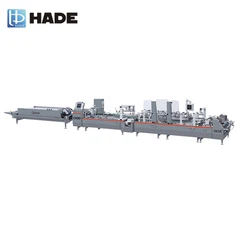
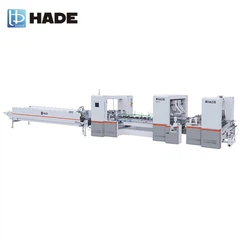
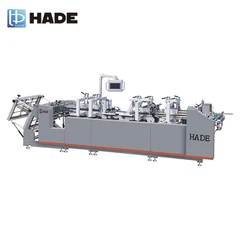
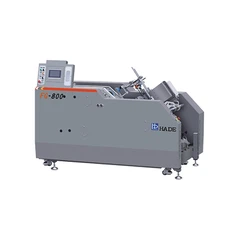
We offer a wide range of folding and gluing machines to meet the diverse needs of our customers. Some of our popular models include the Modular Folder Gluer Machine, the Side Pasting Corrugated Carton Folding and Gluing Machine, and the Fully Automatic Corrugated Box Making Machine. These machines are designed to provide high-quality bonding and reliable performance, and they are backed by our excellent customer support.
Contact Us for a Purchase and Negotiation
If you're looking for a folding and gluing machine that offers high adhesion strength, reliability, and productivity, look no further. Our team of experts is ready to help you find the right machine for your specific needs. Whether you're a small business or a large-scale manufacturer, we have the solution for you. Contact us today to discuss your requirements and to learn more about our products and services. We look forward to working with you to take your packaging production to the next level.
References
- ASTM D903 - Standard Test Method for Peel or Stripping Strength of Adhesive Bonds
- ISO 4587 - Adhesives - Determination of tensile lap-shear strength of rigid-to-rigid bonded assemblies
- Packaging Machinery Manufacturers Institute (PMMI) - Technical standards and guidelines for packaging machinery