

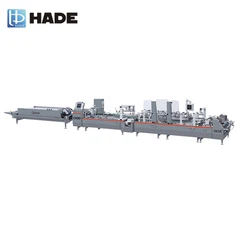

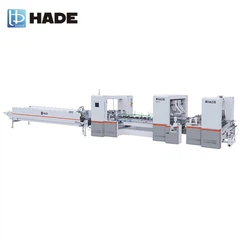
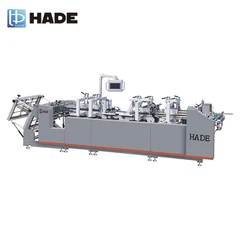
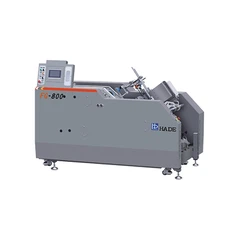
Hey there! As a supplier of Vertical Feeders, I often get asked about the ins and outs of these machines, especially their braking systems. So, let's dive right in and talk about what the braking system of a vertical feeder is all about.
First off, what exactly is a vertical feeder? Well, it's a crucial piece of equipment in many industries, especially in the packaging sector. A Vertical Feeder is used to feed materials, like cardboard or paper, in a vertical orientation. It helps in the smooth and efficient operation of various production lines, ensuring that the materials are delivered at the right time and in the right position.
Now, let's get to the main topic - the braking system. The braking system of a vertical feeder is like the brakes in your car. It's responsible for controlling the movement of the feeder, stopping it when needed, and ensuring that it operates safely and accurately. Without a proper braking system, the feeder could overshoot its target, cause jams, or even pose a safety risk to the operators.
There are several types of braking systems that can be used in vertical feeders. One of the most common types is the electromagnetic brake. These brakes work by using an electromagnetic field to create friction and stop the movement of the feeder. They're fast-acting, reliable, and can be easily controlled electronically. This means that you can adjust the braking force according to the specific requirements of your production line.
Another type of braking system is the mechanical brake. These brakes use physical components, like pads or shoes, to create friction and stop the feeder. Mechanical brakes are often used in situations where a high level of braking force is required, or where the feeder is operating in a harsh environment. They're generally more durable than electromagnetic brakes, but they may require more maintenance.
Hydraulic brakes are also used in some vertical feeders. These brakes use hydraulic fluid to transfer force and create friction. They're known for their smooth operation and high braking force. Hydraulic brakes are often used in larger vertical feeders, where the weight and speed of the materials being fed are higher.
The braking system of a vertical feeder is designed to work in conjunction with other components of the machine, like the motor and the conveyor belt. The motor provides the power to move the feeder, while the braking system controls the speed and stops the movement. The conveyor belt is responsible for transporting the materials from one place to another. All these components need to work together seamlessly to ensure the efficient operation of the vertical feeder.
One of the key factors in the design of a braking system is the stopping distance. The stopping distance is the distance that the feeder travels from the moment the brakes are applied until it comes to a complete stop. A shorter stopping distance is generally better, as it means that the feeder can be stopped more quickly and accurately. The stopping distance depends on several factors, including the speed of the feeder, the weight of the materials being fed, and the type of braking system being used.
Another important factor is the braking force. The braking force is the amount of force that the brakes can apply to stop the feeder. The braking force needs to be sufficient to stop the feeder quickly and safely, but it also needs to be adjusted according to the specific requirements of the production line. If the braking force is too high, it could cause damage to the feeder or the materials being fed. If the braking force is too low, the feeder may not stop quickly enough, which could lead to jams or other problems.
In addition to controlling the movement of the feeder, the braking system also plays an important role in ensuring the safety of the operators. A well-designed braking system will have safety features, like emergency stop buttons and overload protection. These features help to prevent accidents and ensure that the feeder can be stopped quickly in case of an emergency.
Now, let's talk about some of the benefits of having a high-quality braking system in your vertical feeder. First of all, it improves the efficiency of the production line. By stopping the feeder quickly and accurately, the braking system reduces the amount of time that is wasted due to jams or overshooting. This means that more materials can be fed in a shorter period of time, which increases the overall productivity of the production line.
Secondly, a good braking system improves the quality of the finished products. By ensuring that the materials are fed at the right time and in the right position, the braking system helps to prevent errors and defects in the products. This means that the products are more consistent and of higher quality, which can lead to increased customer satisfaction and sales.


Finally, a high-quality braking system reduces the maintenance costs of the vertical feeder. By preventing damage to the feeder and the materials being fed, the braking system helps to extend the lifespan of the machine. This means that you'll need to replace parts less often, which can save you a lot of money in the long run.
If you're in the market for a vertical feeder, it's important to choose a machine that has a reliable and efficient braking system. At our company, we offer a range of Vertical Feeders that are equipped with high-quality braking systems. Our feeders are designed to meet the specific needs of your production line, and we can provide you with customized solutions to ensure that you get the best results.
In addition to vertical feeders, we also offer a range of corollary equipment, like Automatic Box Stacker and Inkject and Turnovermachine. These machines can help to further improve the efficiency and productivity of your production line.
If you're interested in learning more about our products or have any questions about the braking system of a vertical feeder, please don't hesitate to contact us. We'd be happy to help you find the right solution for your business.
References
- Industry knowledge and experience in vertical feeder manufacturing.
- Technical specifications and manuals of vertical feeders.