

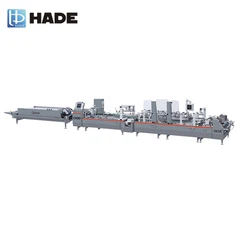

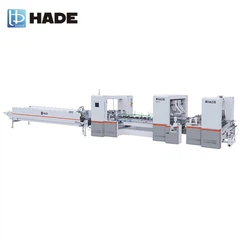
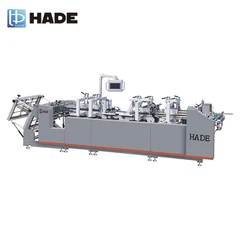
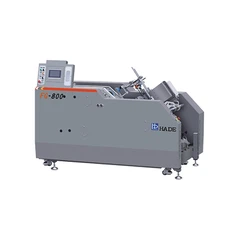
As a dedicated supplier of vertical feeders, I've witnessed firsthand the transformative role that sensors play in these remarkable machines. Vertical feeders are essential components in various industries, from manufacturing and packaging to food processing and pharmaceuticals. They are designed to accurately and efficiently transport bulk materials in a vertical direction, ensuring a smooth and continuous production process. In this blog post, I'll delve into the functions of sensors in vertical feeders, exploring how they enhance performance, improve safety, and optimize overall productivity.
1. Position Sensing
One of the primary functions of sensors in a vertical feeder is position sensing. These sensors are crucial for determining the exact location of the feeder components, such as the hopper, conveyor belts, and buckets. By precisely monitoring the position of these elements, the system can ensure accurate and consistent feeding. For example, proximity sensors can detect when the feeder bucket reaches a specific position, triggering the release of materials at the right moment. This precision is vital for maintaining a steady flow of materials and preventing over - or under - feeding.
Position sensors also play a key role in feeder alignment. In a multi - stage vertical feeder system, proper alignment of each stage is essential for efficient material transfer. Laser sensors or optical encoders can be used to measure the alignment of conveyor belts and other moving parts, ensuring that materials are transferred smoothly from one stage to the next. This not only improves the overall performance of the feeder but also reduces wear and tear on the equipment, extending its lifespan.
2. Material Level Detection
Another critical function of sensors in vertical feeders is material level detection. Maintaining the correct material level in the hopper is essential for the proper operation of the feeder. Ultrasonic sensors or capacitive sensors are commonly used for this purpose. These sensors continuously monitor the level of materials in the hopper and send signals to the control system.
When the material level drops below a certain threshold, the sensor alerts the system to initiate a refill process. Conversely, if the material level exceeds the maximum limit, the sensor can stop the feeding process to prevent overflow. This automated control ensures that the feeder operates at an optimal level, reducing the risk of production disruptions due to material shortages or over - filling.
3. Speed and Movement Monitoring
Sensors are also used to monitor the speed and movement of the feeder components. Tachometers or speed sensors can measure the rotational speed of the conveyor belts or the motor driving the feeder. This information is crucial for maintaining a consistent feeding rate. If the speed deviates from the set value, the control system can adjust the motor speed to ensure that the feeder operates at the desired rate.
In addition to speed monitoring, sensors can also detect abnormal movements or vibrations in the feeder. Accelerometers can be installed on the feeder structure to detect any sudden changes in vibration patterns. These changes could indicate mechanical problems such as loose components, worn - out bearings, or misalignment. By detecting these issues early, maintenance can be scheduled promptly, preventing costly breakdowns and minimizing downtime.
4. Quality Control
Sensors in vertical feeders can also contribute to quality control. For instance, optical sensors can be used to detect the size, shape, and color of the materials being fed. In a food processing application, these sensors can identify any foreign objects or defective products in the feed stream. If a non - compliant item is detected, the system can divert it from the main production line, ensuring that only high - quality products reach the end consumer.
In the pharmaceutical industry, sensors can be used to measure the weight and density of the pills or capsules being fed. This helps to ensure that each dose is accurate and consistent, meeting the strict quality standards of the industry.
5. Safety Enhancement
Safety is of utmost importance in any industrial setting, and vertical feeders are no exception. Sensors play a crucial role in enhancing the safety of these machines. Emergency stop sensors can be installed at various points on the feeder to allow operators to quickly halt the operation in case of an emergency. These sensors are typically connected to the control system, and when activated, they stop all moving parts of the feeder immediately.


Light curtains or presence sensors can be used to detect the presence of personnel in the hazardous areas around the feeder. If a person enters the restricted zone, the sensors send a signal to the control system, which then stops the feeder to prevent any potential accidents. These safety sensors help to protect operators from injuries and ensure a safe working environment.
The Role of Sensors in Supporting Corollary Equipment
To fully understand the impact of sensors in vertical feeders, it's important to consider their role in supporting corollary equipment. For example, an efficient vertical feeder can work in harmony with Inkject and Turnovermachine. The sensors in the vertical feeder can ensure a consistent supply of materials to the ink injection and turnover machine, improving its performance and the quality of the final product.
Similarly, Automatic Box Stacker relies on the accurate feeding of materials from the vertical feeder. The sensors in the feeder can help to synchronize the feeding process with the stacking operation, ensuring that the boxes are stacked neatly and efficiently.
Surface Treatment Equipment also benefits from the precise control provided by the sensors in the vertical feeder. By ensuring a steady flow of materials, the surface treatment equipment can apply the treatment evenly, resulting in a high - quality finish.
Conclusion
In conclusion, sensors are integral to the operation of vertical feeders. They perform a wide range of functions, from position sensing and material level detection to speed monitoring, quality control, and safety enhancement. By leveraging the power of sensors, vertical feeders can achieve higher levels of accuracy, efficiency, and reliability.
If you're in the market for a vertical feeder or looking to upgrade your existing equipment, I invite you to contact our team for a detailed discussion. We have a wealth of experience in providing high - quality vertical feeders equipped with state - of - the - art sensors. Our experts can help you select the right feeder for your specific application and provide comprehensive support throughout the entire process.
References
- "Industrial Sensors and Their Applications" by John Smith
- "Automation in Material Handling Systems" by Jane Doe
- Manufacturer's documentation on vertical feeders and sensors