

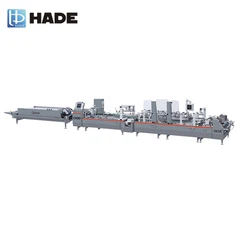

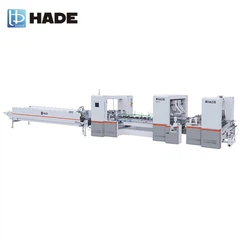
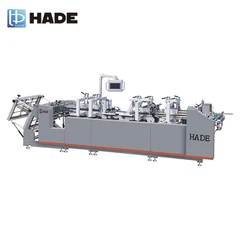
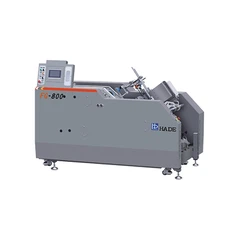
The lubrication cycle of an Automatic Carton Forming Machine is a critical aspect that directly impacts its performance, longevity, and overall efficiency. As a leading supplier of Automatic Carton Forming Machines, we understand the significance of a well - structured lubrication cycle in ensuring the smooth operation of these machines.


Understanding the Basics of Lubrication in Automatic Carton Forming Machines
Lubrication in an Automatic Carton Forming Machine serves multiple purposes. Firstly, it reduces friction between moving parts. In a carton forming machine, there are numerous components such as gears, bearings, chains, and slides that are in constant motion. Without proper lubrication, the friction between these parts can lead to excessive wear and tear, overheating, and ultimately, mechanical failure.
Secondly, lubrication helps to prevent corrosion. The machine operates in an environment where it may be exposed to moisture, dust, and other contaminants. A good lubricant forms a protective layer on the metal surfaces, shielding them from corrosive elements. This is especially important for machines that operate in high - humidity or industrial environments.
Finally, lubrication can also act as a coolant. As the moving parts generate heat due to friction, the lubricant can absorb and dissipate this heat, maintaining the optimal operating temperature of the machine.
Components Requiring Lubrication
Gears
Gears are essential for transmitting power and motion within the Automatic Carton Forming Machine. They are subject to high - pressure contact and sliding forces. Regular lubrication of gears ensures smooth meshing, reduces noise, and prevents premature wear. The type of lubricant used for gears depends on factors such as the gear material, operating speed, and load. For example, high - speed gears may require a lubricant with good anti - wear and anti - foam properties.
Bearings
Bearings support rotating shafts and allow them to rotate smoothly. They are under constant radial and axial loads. Lubricating bearings reduces friction, prevents overheating, and extends their service life. There are different types of bearings, such as ball bearings and roller bearings, and each may have specific lubrication requirements. For instance, some bearings may require grease lubrication, while others may work better with oil lubrication.
Chains and Sprockets
Chains and sprockets are used for power transmission and linear motion in the machine. They are exposed to dirt, dust, and high - speed movement. Lubricating chains and sprockets helps to reduce wear, prevent rust, and ensure proper tension. A suitable lubricant for chains and sprockets should have good adhesion properties to stay on the chain even under high - speed operation.
Slides and Guides
Slides and guides are used for the linear movement of various components in the carton forming process. They need to move smoothly and precisely. Lubrication of slides and guides reduces friction, improves the accuracy of movement, and prevents sticking. A lubricant with good film - forming properties is ideal for slides and guides.
The Lubrication Cycle
The lubrication cycle of an Automatic Carton Forming Machine typically consists of several stages:
Inspection
Before starting the lubrication process, a thorough inspection of the machine is necessary. This includes checking the lubricant levels in the reservoirs, looking for signs of leakage, and inspecting the condition of the lubrication points. Any visible damage or wear on the lubrication components should be noted and addressed. For example, if a lubrication fitting is damaged, it should be replaced to ensure proper lubricant delivery.
Lubricant Selection
Choosing the right lubricant is crucial for the effective operation of the machine. Factors such as the type of component, operating temperature, load, and speed need to be considered. Different components may require different types of lubricants, such as oil, grease, or a specialized lubricant. For example, gears operating at high temperatures may require a synthetic oil with high - temperature stability.
Lubrication Application
Once the lubricant is selected, it needs to be applied to the appropriate components. The method of application depends on the type of lubricant and the component. For oil lubrication, it can be applied through a lubrication system, such as a pump or a drip - feed mechanism. Grease can be applied using a grease gun. It is important to apply the correct amount of lubricant. Over - lubrication can lead to excessive heat generation, contamination, and increased operating costs, while under - lubrication can result in premature wear and failure.
Monitoring
After lubrication, the machine should be monitored for its performance. This includes checking for any abnormal noise, vibration, or temperature rise. Regular monitoring helps to detect any potential problems early and allows for timely corrective actions. For example, if the temperature of a bearing increases after lubrication, it may indicate that the lubricant is not working effectively or there is an underlying mechanical issue.
Maintenance and Record - Keeping
Maintaining a proper lubrication schedule is essential. The lubrication cycle should be documented, including the date of lubrication, the type of lubricant used, and the components lubricated. This record - keeping helps in tracking the maintenance history of the machine, ensuring that all components are lubricated at the appropriate intervals, and identifying any patterns of lubrication - related problems.
Importance of a Well - Defined Lubrication Cycle
A well - defined lubrication cycle offers several benefits. Firstly, it improves the reliability of the Automatic Carton Forming Machine. By reducing wear and tear on components, the machine is less likely to break down unexpectedly, resulting in fewer production disruptions. This is crucial for meeting production deadlines and maintaining customer satisfaction.
Secondly, it enhances the performance of the machine. Smooth - running components mean that the machine can operate at its optimal speed and accuracy, producing high - quality cartons consistently. This can give a competitive edge in the market.
Thirdly, it extends the service life of the machine. By preventing premature failure of components, the overall lifespan of the Automatic Carton Forming Machine is increased. This reduces the need for frequent replacements and lowers the long - term operating costs.
Related Products
If you are interested in other packaging machinery, we also offer a range of related products. For example, our Wine Box Making Machine is designed to produce high - quality wine boxes efficiently. Our Automated High Speed Box Folding Gluing Machine can handle large - volume production with high precision. And our Folder Gluer with Pre - fold provides advanced folding and gluing capabilities.
Conclusion
In conclusion, the lubrication cycle of an Automatic Carton Forming Machine is a complex but essential process. As a supplier, we are committed to providing our customers with not only high - quality machines but also the knowledge and support to ensure their proper maintenance. A well - maintained lubrication cycle can significantly improve the performance, reliability, and longevity of the machine.
If you are in the market for an Automatic Carton Forming Machine or have any questions about lubrication and maintenance, we encourage you to contact us for a detailed discussion. Our team of experts is ready to assist you in finding the best solution for your packaging needs.
References
- Machinery Lubrication Handbook, Industrial Press Inc.
- Handbook of Lubrication and Tribology, CRC Press