

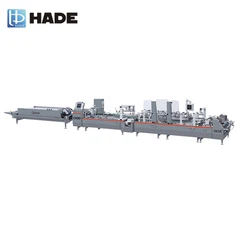

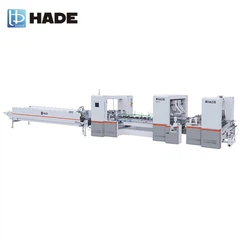

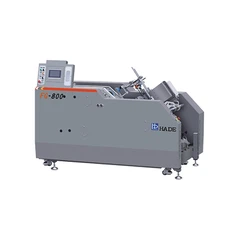
Hey there! As a supplier of High Speed Inspection Machines, I often get asked about the maintenance these machines require. So, I thought I'd share some insights on what you need to do to keep your High Speed Inspection Machine running smoothly.
First off, let's talk about the basics. Regular cleaning is a must. Dust, debris, and even small particles can accumulate over time and affect the machine's performance. You should clean the exterior of the machine with a soft, dry cloth on a daily basis. This helps prevent dirt from getting into the internal components. For the internal parts, it's a bit more involved. You'll need to use compressed air to blow out any dust that might be hiding in the nooks and crannies. But be careful not to use too much pressure, as it could damage sensitive components.
Lubrication is another crucial aspect of maintenance. Just like any other high - speed machinery, the moving parts of a High Speed Inspection Machine need proper lubrication to reduce friction and wear. Check the lubrication points recommended by the manufacturer regularly. Usually, this is done every few weeks or months, depending on how often the machine is used. Use the lubricant specified by the manufacturer; using the wrong type can cause more harm than good.
The sensors on the High Speed Inspection Machine are its eyes. They detect defects, measure dimensions, and ensure everything is in order. These sensors need to be calibrated regularly. Calibration ensures that the sensors are providing accurate readings. You can do a basic calibration check yourself, but for more precise calibration, it's best to have a professional do it. This might be required every few months or after a certain number of operating hours.
The software that runs the High Speed Inspection Machine is also a key component. It needs to be updated regularly. Software updates often come with bug fixes, performance improvements, and new features. You can usually download these updates from the manufacturer's website. Make sure to follow the instructions carefully when updating the software, as a botched update can cause the machine to malfunction.
Now, let's talk about the electrical components. Check the power cords and connections regularly for any signs of damage, such as fraying or loose connections. A damaged power cord can be a safety hazard and can also cause the machine to stop working properly. If you notice any issues, replace the cord immediately. Also, keep an eye on the electrical panels and make sure they are clean and free of any moisture or debris.


The conveyor belts on the High Speed Inspection Machine are responsible for moving the products through the inspection process. These belts need to be inspected for wear and tear. Look for signs of cracking, stretching, or uneven wear. If you notice any of these issues, it's time to replace the belt. You should also make sure the belts are properly tensioned. A loose belt can cause slippage, while an over - tightened belt can put extra stress on the motor and other components.
Another important part of maintenance is the camera system. If your High Speed Inspection Machine is equipped with a camera system, like the one on the Automatic Folder Gluer Machine with Camera System, it needs special attention. Clean the camera lenses regularly to ensure clear images. You can use a lens cleaning solution and a soft, lint - free cloth. Also, check the camera's alignment. A misaligned camera can lead to inaccurate inspections.
When it comes to the mechanical parts, such as gears and bearings, listen for any unusual noises. Grinding, squealing, or rattling sounds can indicate a problem. If you hear any of these noises, stop the machine immediately and check the affected parts. Worn - out gears or bearings should be replaced as soon as possible to prevent further damage to the machine.
It's also a good idea to keep a maintenance log. Record all the maintenance activities you perform, including cleaning, lubrication, calibration, and part replacements. This log can help you keep track of when the next maintenance is due and can also be useful if you need to troubleshoot any problems in the future.
If you're using a Single Sheet Inspection Machine or a High Speed Inspection Machine, following these maintenance tips can significantly extend the lifespan of your machine and ensure consistent, accurate inspections.
In conclusion, proper maintenance of a High Speed Inspection Machine is not just about keeping it running; it's about maximizing its performance and reliability. By following these simple steps, you can avoid costly breakdowns and ensure that your machine is always ready to handle your inspection needs.
If you're in the market for a High Speed Inspection Machine or need more information about maintenance, feel free to reach out. We're here to help you make the best decision for your business and ensure that your machine operates at its best.
References:
- Manufacturer's manual for High Speed Inspection Machine
- Industry best practices for high - speed machinery maintenance