

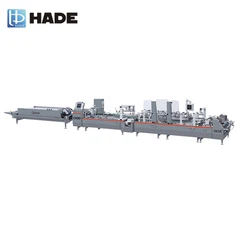

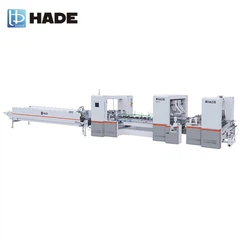
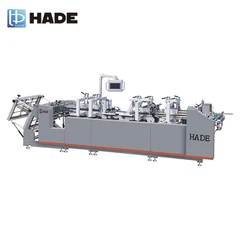
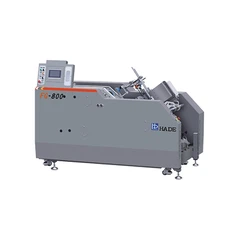
A grinder used on a folder gluer is a versatile and essential piece of equipment in the packaging industry. It plays a crucial role in preparing materials for folding and gluing processes, ensuring high - quality and efficient production. As a supplier of grinders used on folder gluers, I am often asked about the types of materials that these grinders can process. In this blog post, I will explore the various materials that a grinder on a folder gluer can handle, highlighting their characteristics and the benefits of using a grinder in the processing of these materials.
Paperboard
Paperboard is one of the most common materials processed by grinders on folder gluers. It is a thick paper - like material that is used for a wide range of packaging applications, including boxes, cartons, and displays. Paperboard comes in different grades and thicknesses, and a grinder can effectively process it to improve its folding and gluing properties.
When paperboard is fed through the grinder, the grinding mechanism roughens the surface of the board. This roughening process increases the surface area, allowing the glue to adhere more effectively. For instance, in the production of rigid boxes, a smooth paperboard surface may not hold the glue well, leading to weak joints. By using a grinder, the surface is made more porous, and the glue can penetrate deeper, resulting in stronger and more durable box joints.
The grinder can also be adjusted to control the degree of roughening based on the specific requirements of the paperboard and the packaging design. Thicker paperboards may require a more aggressive grinding to achieve the desired surface texture, while thinner paperboards may need a lighter touch to avoid damage.
Corrugated Board
Corrugated board is another important material in the packaging industry, known for its strength and cushioning properties. It consists of a fluted corrugated medium sandwiched between two flat liners. Grinders on folder gluers can be used to process corrugated board in several ways.
One of the main applications is in the preparation of the edges of the corrugated board for gluing. The grinder can remove any loose fibers or debris from the edges, ensuring a clean and smooth surface for the glue to bond. This is particularly important in the production of corrugated boxes, where a strong and reliable glue bond is essential to maintain the structural integrity of the box.
In addition, the grinder can be used to roughen the surface of the liners to improve the adhesion of the glue. This is especially beneficial when using water - based glues, as the roughened surface allows the glue to spread more evenly and form a stronger bond. For example, in the production of large - scale shipping boxes, a well - ground corrugated board can withstand the rigors of transportation and handling without the joints coming apart.
Plastic Sheets
Plastic sheets are increasingly being used in the packaging industry due to their durability, transparency, and flexibility. Materials such as PVC, PET, and PP are commonly used for packaging products like food, cosmetics, and electronics. A grinder on a folder gluer can also process these plastic sheets.
When processing plastic sheets, the grinder can create a micro - rough surface on the plastic. This surface modification helps to improve the adhesion of the glue, which is often a challenge when working with plastics due to their smooth and non - porous nature. For example, in the production of plastic blister packs, a grinder can be used to prepare the edges of the plastic sheets for gluing, ensuring a tight and secure seal.

The grinder can also be used to remove any burrs or sharp edges from the plastic sheets, which can pose a safety hazard during handling. By creating a smooth and even edge, the grinder enhances the overall quality and safety of the plastic packaging.
Composite Materials
Composite materials, which combine two or more different materials, are becoming more popular in the packaging industry. For example, paper - plastic composites or metal - paper composites are used to create packaging with unique properties, such as moisture resistance or barrier protection.
A grinder on a folder gluer can process composite materials by selectively roughening the surface of the different layers. This allows the glue to bond effectively between the different materials, creating a strong and durable composite structure. For instance, in the production of a paper - plastic composite box, the grinder can be used to roughen the paper layer to improve its adhesion to the plastic layer, while leaving the plastic layer relatively smooth to maintain its functional properties.
The Role of Corollary Equipment
To enhance the performance of the grinder on a folder gluer and the overall packaging production process, corollary equipment can be used. For example, an [Inkject and Turnovermachine](/corollary - equipment - for - folder - gluer/inkject - and - turnovermachine.html) can be used in conjunction with the grinder. This equipment can inject ink onto the materials before or after the grinding process, adding branding or information to the packaging. The turnover function can also ensure that the materials are processed on both sides, improving the overall quality of the final product.
A [Vertical Feeder](/corollary - equipment - for - folder - gluer/vertical - feeder.html) is another useful corollary equipment. It can feed the materials into the grinder and the folder gluer in a precise and efficient manner, ensuring a continuous and smooth production process. This is especially important when processing large volumes of materials.
An [Automatic Box Stacker](/corollary - equipment - for - folder - gluer/automatic - board - stacker.html) can be used after the folding and gluing process. It can stack the finished boxes neatly, making it easier for storage and transportation. This equipment can also improve the efficiency of the production line by reducing the time and labor required for manual stacking.
Advantages of Using a Grinder
Using a grinder on a folder gluer offers several advantages when processing these materials. Firstly, it improves the quality of the final product by ensuring a strong and reliable glue bond. This reduces the risk of product failure during transportation and handling, which can save costs associated with product returns and replacements.

Secondly, the grinder can increase the efficiency of the production process. By preparing the materials in advance, the folding and gluing operations can be carried out more smoothly and quickly. This can lead to higher production rates and lower production costs.

Finally, the grinder provides flexibility in the packaging design. It allows for the use of a wider range of materials and glues, enabling manufacturers to create innovative and unique packaging solutions.
Contact for Purchase and Negotiation
If you are in the market for a grinder used on a folder gluer or any of the corollary equipment mentioned above, I encourage you to contact us. We have a team of experts who can provide you with detailed information about our products, help you select the most suitable equipment for your specific needs, and offer competitive pricing. Whether you are a small - scale packaging manufacturer or a large - scale production facility, we can provide the solutions you need to improve your packaging process.
References
- Packaging Machinery Handbook: This comprehensive handbook provides in - depth information about different types of packaging machinery, including grinders used on folder gluers and their applications in processing various materials.
- Journal of Packaging Science and Technology: This academic journal publishes research articles on the latest developments in the packaging industry, including studies on the performance of grinders and the materials they can process.
- Industry Reports from Packaging Associations: These reports offer insights into the trends and best practices in the packaging industry, which can be valuable for understanding the role of grinders in material processing.