





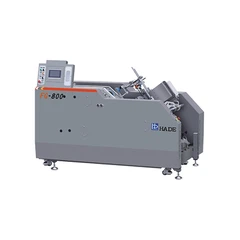
As a reputable supplier of Surface Treatment Equipment, I am often asked about the diverse range of materials that our electroplating surface treatment equipment can process. Electroplating is a process that involves depositing a thin layer of metal onto a substrate through an electrochemical reaction. This technique offers numerous benefits, including improved corrosion resistance, enhanced aesthetic appeal, and increased wear resistance. In this blog post, I will explore the various materials that our equipment can handle, highlighting their unique properties and applications.
Metals
One of the primary materials that our electroplating surface treatment equipment can process is metals. Metals are widely used in various industries due to their excellent mechanical properties, electrical conductivity, and thermal conductivity. Our equipment can electroplate a wide range of metals, including:


- Copper: Copper is a highly conductive metal that is commonly used in electrical applications. Electroplating copper onto a substrate can improve its electrical conductivity and corrosion resistance. Copper plating is also used in the manufacturing of printed circuit boards (PCBs) and decorative items.
- Nickel: Nickel is a hard and corrosion-resistant metal that is often used as a protective coating. Electroplating nickel onto a substrate can provide excellent wear resistance and prevent corrosion. Nickel plating is commonly used in the automotive, aerospace, and electronics industries.
- Chromium: Chromium is a shiny and corrosion-resistant metal that is widely used for decorative purposes. Electroplating chromium onto a substrate can give it a bright and reflective finish, making it suitable for applications such as automotive trim, jewelry, and household fixtures.
- Gold: Gold is a precious metal that is highly valued for its beauty and corrosion resistance. Electroplating gold onto a substrate can provide a luxurious and durable finish. Gold plating is commonly used in the jewelry, electronics, and telecommunications industries.
- Silver: Silver is a highly conductive metal that is often used in electrical applications. Electroplating silver onto a substrate can improve its electrical conductivity and provide a reflective finish. Silver plating is commonly used in the manufacturing of electrical contacts, mirrors, and decorative items.
Plastics
In addition to metals, our electroplating surface treatment equipment can also process plastics. Plastics are lightweight, durable, and cost-effective materials that are widely used in various industries. However, plastics have poor electrical conductivity and are prone to static charge buildup. Electroplating plastics can overcome these limitations by providing a conductive surface and improving their aesthetic appeal. Our equipment can electroplate a wide range of plastics, including:
- ABS (Acrylonitrile Butadiene Styrene): ABS is a common thermoplastic that is widely used in the automotive, electronics, and consumer goods industries. Electroplating ABS can provide a shiny and metallic finish, making it suitable for applications such as automotive trim, electronic enclosures, and household appliances.
- PC (Polycarbonate): PC is a strong and transparent thermoplastic that is commonly used in the automotive, aerospace, and electronics industries. Electroplating PC can improve its scratch resistance and provide a decorative finish. PC plating is often used in the manufacturing of automotive headlamp bezels, electronic displays, and optical lenses.
- PBT (Polybutylene Terephthalate): PBT is a semi-crystalline thermoplastic that is widely used in the automotive, electrical, and consumer goods industries. Electroplating PBT can provide a corrosion-resistant and aesthetically pleasing finish. PBT plating is commonly used in the manufacturing of automotive connectors, electrical switches, and household appliances.
- Nylon: Nylon is a strong and lightweight thermoplastic that is commonly used in the automotive, aerospace, and textile industries. Electroplating nylon can improve its wear resistance and provide a decorative finish. Nylon plating is often used in the manufacturing of automotive parts, aerospace components, and sporting goods.
Ceramics
Ceramics are hard, brittle, and heat-resistant materials that are widely used in various industries. However, ceramics have poor electrical conductivity and are prone to cracking and chipping. Electroplating ceramics can overcome these limitations by providing a conductive surface and improving their mechanical properties. Our equipment can electroplate a wide range of ceramics, including:
- Alumina: Alumina is a common ceramic material that is widely used in the electronics, automotive, and aerospace industries. Electroplating alumina can improve its electrical conductivity and provide a protective coating. Alumina plating is often used in the manufacturing of electronic substrates, automotive sensors, and aerospace components.
- Zirconia: Zirconia is a strong and tough ceramic material that is commonly used in the dental, medical, and automotive industries. Electroplating zirconia can improve its aesthetic appeal and provide a protective coating. Zirconia plating is often used in the manufacturing of dental implants, medical devices, and automotive parts.
- Silicon Carbide: Silicon carbide is a hard and abrasive ceramic material that is widely used in the semiconductor, automotive, and aerospace industries. Electroplating silicon carbide can improve its wear resistance and provide a conductive surface. Silicon carbide plating is often used in the manufacturing of semiconductor wafers, automotive brake pads, and aerospace components.
Composites
Composites are materials that are made up of two or more different materials with distinct properties. Composites are widely used in various industries due to their excellent mechanical properties, lightweight, and corrosion resistance. Electroplating composites can improve their electrical conductivity, wear resistance, and aesthetic appeal. Our equipment can electroplate a wide range of composites, including:
- Fiber-Reinforced Composites: Fiber-reinforced composites are materials that are made up of a matrix material (such as epoxy resin) and reinforcing fibers (such as carbon fiber or glass fiber). Electroplating fiber-reinforced composites can improve their electrical conductivity and provide a protective coating. Fiber-reinforced composite plating is often used in the manufacturing of aerospace components, automotive parts, and sporting goods.
- Metal-Matrix Composites: Metal-matrix composites are materials that are made up of a metal matrix (such as aluminum or titanium) and reinforcing particles (such as silicon carbide or boron carbide). Electroplating metal-matrix composites can improve their wear resistance and provide a conductive surface. Metal-matrix composite plating is often used in the manufacturing of automotive engine components, aerospace structural parts, and electronic packaging.
Applications
The materials that our electroplating surface treatment equipment can process have a wide range of applications in various industries. Some of the common applications include:
- Automotive Industry: Electroplating is widely used in the automotive industry to improve the appearance, corrosion resistance, and wear resistance of automotive parts. Some of the common automotive applications include chrome plating for automotive trim, nickel plating for engine components, and gold plating for electrical contacts.
- Electronics Industry: Electroplating is essential in the electronics industry to provide a conductive surface, improve the electrical performance, and protect electronic components from corrosion. Some of the common electronics applications include copper plating for printed circuit boards, gold plating for connectors, and silver plating for electrical contacts.
- Aerospace Industry: Electroplating is used in the aerospace industry to improve the mechanical properties, corrosion resistance, and electrical conductivity of aerospace components. Some of the common aerospace applications include nickel plating for turbine blades, chrome plating for landing gear, and gold plating for electrical connectors.
- Jewelry Industry: Electroplating is widely used in the jewelry industry to provide a decorative finish and improve the durability of jewelry items. Some of the common jewelry applications include gold plating, silver plating, and rhodium plating.
- Medical Industry: Electroplating is used in the medical industry to provide a biocompatible surface, improve the corrosion resistance, and enhance the functionality of medical devices. Some of the common medical applications include titanium plating for dental implants, gold plating for medical electrodes, and silver plating for wound dressings.
Conclusion
In conclusion, our electroplating surface treatment equipment can process a wide range of materials, including metals, plastics, ceramics, and composites. Each material has its unique properties and applications, and electroplating can enhance their performance and functionality. Whether you are in the automotive industry, electronics industry, aerospace industry, jewelry industry, or medical industry, our equipment can provide you with high-quality electroplating solutions.
If you are interested in learning more about our Surface Treatment Equipment or have specific requirements for your electroplating needs, please visit our website Surface Treatment Equipment. We also offer related equipment such as Glue-spraying System and Inkject and Turnovermachine. Feel free to contact us for procurement discussions and let us help you find the best solutions for your surface treatment requirements.
References
- "Electroplating: Principles and Practices" by Lowenheim, F. A.
- "Handbook of Electroplating Engineering" by Durney, R. C.
- "Surface Finishing of Plastics" by Mallory, G. O. and Hajdu, J. B.