

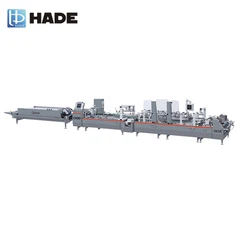


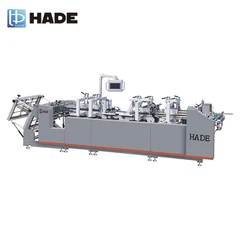
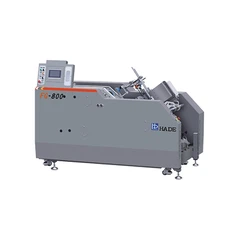
When it comes to using surface treatment equipment, safety should always be the top priority. As a supplier of surface treatment equipment, I understand the importance of providing our customers with not only high - quality products but also the knowledge to use them safely. In this blog, I will share some essential safety precautions that should be taken when using surface treatment equipment.
1. Pre - operation Preparations
Training and Familiarization
Before operating any surface treatment equipment, operators must receive comprehensive training. This training should cover the basic principles of the equipment, its functions, and how to operate it correctly. For example, if you are using a Glue - spraying System, you need to know how to adjust the spraying pressure, the spraying angle, and the flow rate of the glue. Familiarizing yourself with the user manual is also crucial. The manual provides detailed information about the equipment's specifications, maintenance requirements, and safety warnings.
Inspection of the Equipment
Conduct a thorough inspection of the surface treatment equipment before each use. Check for any visible damage, such as cracks, loose parts, or frayed wires. Ensure that all safety guards and shields are in place and functioning properly. For instance, in a Grinder Used On Folder Gluer, the grinding wheel guard should be securely attached to prevent flying debris from causing injuries. Also, inspect the power supply and connections to make sure there are no electrical hazards.
Personal Protective Equipment (PPE)
Wearing appropriate PPE is non - negotiable. Depending on the type of surface treatment process, operators may need to wear safety glasses to protect their eyes from splashes, dust, or flying particles. Respirators are necessary when dealing with chemicals or dust that can be harmful if inhaled. Gloves should be worn to protect hands from chemicals, sharp edges, or heat. In addition, safety shoes can prevent foot injuries from heavy objects or falling tools.
2. Operation Safety
Following Operating Procedures
Strictly follow the recommended operating procedures for the surface treatment equipment. Do not attempt to operate the equipment in a way that is not specified in the manual. For example, when using a Vertical Feeder, do not overload it beyond its capacity. Overloading can not only damage the equipment but also pose a significant safety risk.
Avoiding Distractions
During the operation of surface treatment equipment, operators should focus solely on the task at hand. Distractions such as using mobile phones, listening to music, or chatting with colleagues can lead to accidents. Keep the work area clear of any unnecessary items that may cause distractions or tripping hazards.
Monitoring the Equipment
Continuously monitor the operation of the surface treatment equipment. Pay attention to any unusual noises, vibrations, or changes in performance. If you notice any abnormalities, stop the equipment immediately and investigate the cause. Ignoring these warning signs can lead to more serious problems and potential safety hazards.
3. Chemical Safety
Handling Chemicals Properly
Many surface treatment processes involve the use of chemicals, such as solvents, adhesives, and paints. When handling these chemicals, it is essential to follow proper safety procedures. Store chemicals in a well - ventilated area away from sources of heat, sparks, or open flames. Use the correct containers for storing chemicals and label them clearly.


Chemical Compatibility
Be aware of the chemical compatibility of the substances used in the surface treatment process. Mixing incompatible chemicals can result in dangerous reactions, such as explosions or the release of toxic gases. Before using any new chemical, consult the material safety data sheet (MSDS) to ensure its compatibility with other chemicals and the equipment.
Spill Management
In case of a chemical spill, have a spill response plan in place. Train operators on how to contain and clean up spills safely. Use appropriate absorbent materials to soak up the spilled chemicals and dispose of them according to local regulations.
4. Maintenance and Servicing
Regular Maintenance
Regular maintenance is essential to keep surface treatment equipment in good working condition and to prevent safety issues. Follow the manufacturer's recommended maintenance schedule, which may include tasks such as lubrication, calibration, and replacement of worn - out parts. For example, in a Glue - spraying System, regular cleaning of the nozzles and filters can prevent clogging and ensure consistent performance.
Professional Servicing
For complex maintenance and repair tasks, it is advisable to seek the help of professional technicians. They have the expertise and tools to diagnose and fix problems safely. Do not attempt to perform major repairs on the equipment if you are not qualified to do so.
5. Emergency Preparedness
Emergency Stop Buttons
Know the location of the emergency stop buttons on the surface treatment equipment. In case of an emergency, such as a malfunction or an injury, quickly press the emergency stop button to shut down the equipment. Regularly test the emergency stop buttons to ensure they are functioning properly.
First - Aid Kits
Have well - stocked first - aid kits readily available in the work area. Train operators on basic first - aid procedures so that they can provide immediate assistance in case of an injury.
Fire Safety
Install fire extinguishers in the work area and train operators on how to use them. Conduct regular fire drills to ensure that everyone knows how to evacuate the area safely in case of a fire.
In conclusion, using surface treatment equipment safely requires a combination of proper training, pre - operation preparations, careful operation, chemical safety management, regular maintenance, and emergency preparedness. By following these safety precautions, you can minimize the risk of accidents and ensure a safe working environment.
If you are interested in our surface treatment equipment or have any questions about safety precautions, we are more than happy to assist you. Feel free to contact us for further details and to start a procurement discussion.
References
- Manufacturer's user manuals for surface treatment equipment
- Occupational Safety and Health Administration (OSHA) guidelines for industrial equipment safety
- Material safety data sheets (MSDS) for chemicals used in surface treatment processes