

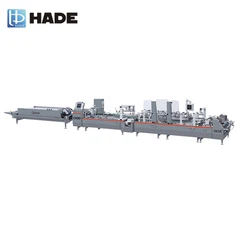

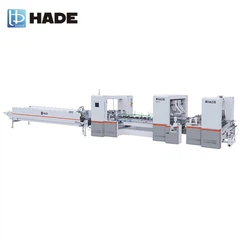
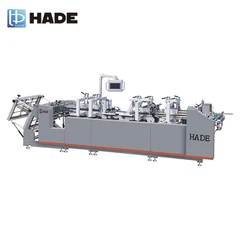
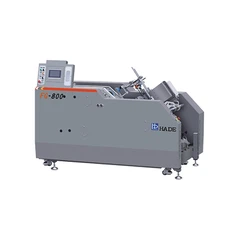
Hey there! As a supplier of Single Sheet Inspection Machines, I often get asked whether these machines can be integrated into an existing production line. Well, the short answer is yes, but there's a lot more to it than that. In this blog post, I'll dive deep into the topic, sharing my insights and experiences to help you understand the ins and outs of integrating a Single Sheet Inspection Machine into your production setup.
Why Consider Integrating a Single Sheet Inspection Machine?
Before we get into the nitty - gritty of integration, let's talk about why you might want to add a Single Sheet Inspection Machine to your production line in the first place. Quality control is a top priority for any manufacturing business. A single defective sheet can lead to a whole batch of products being rejected, which means wasted time, money, and resources.
A Single Sheet Inspection Machine can detect a wide range of defects, such as scratches, stains, printing errors, and misalignments. By catching these issues early in the production process, you can avoid costly rework and ensure that only high - quality products reach your customers. This not only improves customer satisfaction but also helps to build a strong reputation for your brand.
Factors to Consider for Integration
Compatibility
The first and most crucial factor is compatibility. Your existing production line has its own set of specifications, including speed, sheet size, and material handling requirements. The Single Sheet Inspection Machine you choose must be able to work seamlessly with these existing parameters.
For example, if your production line runs at a high speed, the inspection machine needs to be able to keep up. It should have a fast scanning rate and efficient data processing capabilities to inspect each sheet accurately without causing a bottleneck. Similarly, if your production line deals with a variety of sheet sizes, the inspection machine should be flexible enough to handle them all.
Space
Space is another important consideration. You need to have enough room in your production facility to install the inspection machine. This includes not only the physical space for the machine itself but also space for any additional equipment, such as conveyors or control panels.
You also need to think about access for maintenance and repairs. The machine should be easily accessible so that your maintenance team can troubleshoot any issues quickly and efficiently. If space is limited, you might need to look for a compact or modular inspection machine that can be integrated more easily into your existing layout.
Software and Control Systems
Modern production lines often rely on sophisticated software and control systems to manage the manufacturing process. The Single Sheet Inspection Machine should be able to integrate with these existing systems. This means that it should be able to communicate with your production line's control system, share data, and receive commands.
For example, if your production line uses a Programmable Logic Controller (PLC) to control the flow of materials and machines, the inspection machine should be able to interface with it. This allows for seamless operation and real - time monitoring of the inspection process.
The Integration Process
Planning
The integration process starts with careful planning. You need to sit down with your production team, engineers, and representatives from the inspection machine supplier. Together, you'll assess your existing production line, identify any potential challenges, and develop a detailed integration plan.
This plan should include a timeline, a budget, and a list of tasks that need to be completed. It's also a good idea to conduct a risk assessment to identify any potential issues that could arise during the integration process and develop contingency plans to address them.
Installation
Once the planning is done, it's time for installation. The inspection machine supplier will typically send a team of technicians to your facility to install and set up the machine. They'll work closely with your production team to ensure that the machine is installed correctly and aligned with your existing production line.
During the installation process, the technicians will also connect the inspection machine to your production line's control system and perform initial testing. This helps to identify any immediate issues and ensures that the machine is ready to start operating.
Testing and Calibration
After installation, the inspection machine needs to be thoroughly tested and calibrated. This involves running a series of test sheets through the machine and checking the inspection results. The calibration process ensures that the machine is accurately detecting defects and providing reliable data.


You'll also need to test the machine's integration with your existing production line. This includes checking the communication between the inspection machine and the control system, as well as the overall performance of the production line with the inspection machine in place. Any issues identified during testing should be addressed immediately before full - scale production begins.
Training
Your production team needs to be trained on how to operate and maintain the Single Sheet Inspection Machine. The supplier should provide comprehensive training programs that cover everything from basic machine operation to advanced troubleshooting techniques.
Training is essential to ensure that your team can use the inspection machine effectively and get the most out of its features. It also helps to minimize the risk of operator errors, which can lead to inaccurate inspection results or machine malfunctions.
Benefits of Successful Integration
Improved Efficiency
By integrating a Single Sheet Inspection Machine into your existing production line, you can improve the overall efficiency of your manufacturing process. The machine can inspect sheets much faster and more accurately than manual inspection, which reduces the time and labor required for quality control.
This means that your production line can run at a higher speed without sacrificing quality. You can also reduce the number of defective products, which in turn reduces the amount of rework and waste.
Cost Savings
In the long run, integrating an inspection machine can lead to significant cost savings. By catching defects early, you can avoid costly rework and scrap. You'll also reduce the risk of customer returns and complaints, which can save you money on warranty claims and customer service.
Additionally, the improved efficiency of your production line can lead to lower labor costs. With less time spent on manual inspection, your employees can be reallocated to other tasks that add more value to the production process.
Enhanced Product Quality
As mentioned earlier, the primary benefit of using a Single Sheet Inspection Machine is improved product quality. By ensuring that only high - quality products leave your factory, you can enhance your brand reputation and increase customer loyalty.
This can lead to increased sales and market share, as customers are more likely to choose a brand that they trust to deliver consistent, high - quality products.
Other Related Machines
If you're looking for a more comprehensive solution, you might also consider our Automatic Inspection and Folder Gluer Machine or Automatic Folder Gluer Machine with Camera System. These machines combine the functions of inspection and folder gluing, providing a more streamlined and efficient production process.
Conclusion
Integrating a Single Sheet Inspection Machine into an existing production line is definitely possible, but it requires careful planning, consideration of various factors, and a commitment to proper installation, testing, and training. The benefits of integration, including improved efficiency, cost savings, and enhanced product quality, make it a worthwhile investment for many manufacturing businesses.
If you're interested in learning more about how a Single Sheet Inspection Machine can be integrated into your production line or if you have any questions about our products, don't hesitate to reach out. We're here to help you make the right decision for your business and ensure a smooth integration process. Let's work together to take your production quality to the next level!
References
- "Quality Control in Manufacturing: Best Practices and Emerging Trends" - Industry Research Report
- "Automation in Production Lines: Integration and Optimization" - Academic Journal Article