


Folding and gluing machines are essential equipment in the packaging industry, enabling efficient production of various cartons and boxes. However, one common challenge faced during the operation of these machines is ensuring proper alignment of the paper during the folding and gluing process. Misalignment can lead to defective products, increased waste, and reduced production efficiency. As a leading folding and gluing machine supplier, we understand the importance of this issue and are here to share some valuable tips on how to adjust the alignment of the paper on a folding and gluing machine.
Understanding the Basics of Paper Alignment
Before diving into the adjustment techniques, it's crucial to understand the basic factors that affect paper alignment on a folding and gluing machine. These factors include:
- Paper Feed System: The way the paper is fed into the machine can significantly impact its alignment. A smooth and consistent paper feed is essential for accurate folding and gluing.
- Guide Rails and Stops: Guide rails and stops are used to direct the paper along the desired path and ensure proper positioning. They need to be adjusted correctly to prevent the paper from shifting or skewing.
- Folding Plates and Blades: The folding plates and blades play a crucial role in shaping the paper into the desired carton or box. They must be aligned precisely to ensure clean and accurate folds.
- Gluing System: The gluing system applies adhesive to the paper at the appropriate locations. Proper alignment of the glue nozzles and rollers is necessary to ensure consistent and reliable bonding.
Step-by-Step Guide to Adjusting Paper Alignment
Now that we have a better understanding of the factors affecting paper alignment, let's walk through the step-by-step process of adjusting the alignment on a folding and gluing machine:


Step 1: Check the Paper Feed System
- Inspect the Paper Path: Ensure that the paper path is clear of any debris, dust, or obstructions. Clean the feed rollers, belts, and guides regularly to prevent paper jams and misfeeds.
- Adjust the Paper Feed Pressure: The paper feed pressure should be set correctly to ensure a smooth and consistent feed. Too much pressure can cause the paper to wrinkle or tear, while too little pressure can result in misfeeds or slippage.
- Verify the Paper Width and Length Settings: Make sure that the machine is set to the correct paper width and length. Incorrect settings can lead to misalignment and improper folding.
Step 2: Adjust the Guide Rails and Stops
- Position the Guide Rails: The guide rails should be adjusted to match the width of the paper. They should be parallel to each other and centered on the paper path. Use a ruler or a straightedge to ensure accurate alignment.
- Set the Side Stops: The side stops are used to prevent the paper from shifting sideways. They should be adjusted so that they gently touch the edges of the paper without applying too much pressure.
- Check the End Stops: The end stops determine the length of the paper and ensure that it is positioned correctly for folding. Adjust them to match the desired length of the carton or box.
Step 3: Align the Folding Plates and Blades
- Inspect the Folding Plates: The folding plates should be clean and free of any damage or wear. Check for any signs of misalignment or unevenness and make the necessary adjustments.
- Adjust the Folding Blades: The folding blades need to be sharp and properly aligned to ensure clean and accurate folds. Use a blade adjustment tool to set the correct blade height and angle.
- Test the Folding Operation: Run a test sheet of paper through the machine to check the quality of the folds. If the folds are not straight or consistent, make further adjustments to the folding plates and blades.
Step 4: Calibrate the Gluing System
- Check the Glue Nozzles and Rollers: The glue nozzles and rollers should be clean and free of any clogs or blockages. Inspect them regularly and clean them as needed to ensure proper glue application.
- Adjust the Glue Amount and Pattern: The amount and pattern of glue applied to the paper can affect the bonding strength and appearance of the finished product. Use the machine's controls to adjust the glue flow rate and pattern according to the specific requirements of the job.
- Verify the Glue Alignment: Make sure that the glue is applied at the correct locations on the paper. Use a test sheet to check the alignment and make any necessary adjustments to the glue nozzles or rollers.
Troubleshooting Common Alignment Issues
Despite taking all the necessary precautions, alignment issues may still occur during the operation of a folding and gluing machine. Here are some common alignment problems and their possible solutions:
- Skewed Paper: If the paper is skewed or tilted during the folding process, check the guide rails and stops for misalignment. Adjust them as needed to ensure that the paper is fed straight into the machine.
- Wrinkled Paper: Wrinkled paper can be caused by excessive feed pressure, misaligned folding plates, or a dirty paper path. Reduce the feed pressure, adjust the folding plates, and clean the paper path to resolve this issue.
- Inconsistent Folds: Inconsistent folds can be due to dull folding blades, improper blade adjustment, or uneven paper thickness. Sharpen the blades, adjust the blade height and angle, and ensure that the paper is of uniform thickness.
- Poor Glue Bonding: Poor glue bonding can result from insufficient glue application, incorrect glue type, or dirty glue nozzles and rollers. Increase the glue flow rate, use the appropriate glue for the job, and clean the glue nozzles and rollers regularly.
Recommended Folding and Gluing Machines
As a folding and gluing machine supplier, we offer a wide range of high-quality machines to meet the diverse needs of our customers. Here are some of our recommended models:
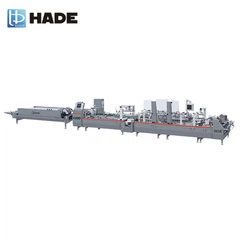
- Side Pasting Corrugated Carton Folding and Gluing Machine: This machine is designed for the production of corrugated cartons with side pasting. It features high-speed operation, precise folding, and reliable gluing, making it ideal for large-scale production.
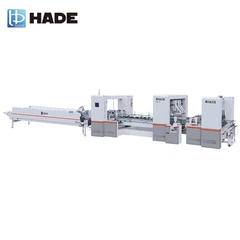
- Automatic Folder Gluer with Jogger: The automatic folder gluer with jogger is a versatile machine that can handle a variety of carton styles and sizes. It is equipped with a jogger system to ensure accurate paper alignment and a high-speed gluing unit for efficient production.
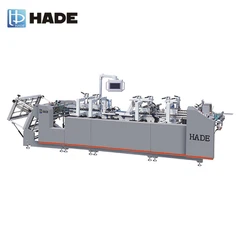
- Modular Folder Gluer Machine: The modular folder gluer machine offers flexibility and customization options. It can be configured with different modules to meet specific production requirements, such as die-cutting, embossing, and window patching.
Conclusion
Proper alignment of the paper during the folding and gluing process is crucial for the quality and efficiency of a folding and gluing machine. By following the steps outlined in this blog post and troubleshooting common alignment issues, you can ensure that your machine operates smoothly and produces high-quality cartons and boxes. If you have any questions or need further assistance, please don't hesitate to contact us. We are here to help you optimize your folding and gluing operations and achieve the best possible results.
References
- Packaging Machinery Manufacturers Institute (PMMI). (2023). Folding and Gluing Machines: A Comprehensive Guide.
- Smith, J. (2022). The Art of Paper Folding and Gluing: Techniques and Best Practices.
- Brown, A. (2021). Troubleshooting Alignment Issues in Folding and Gluing Machines.