

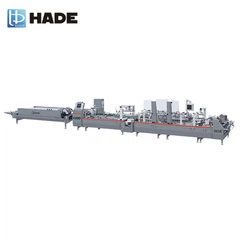

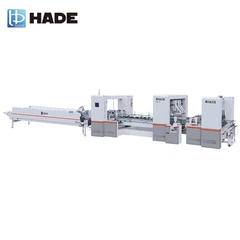
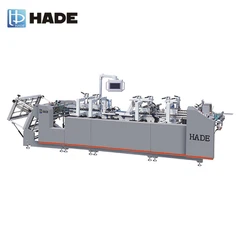
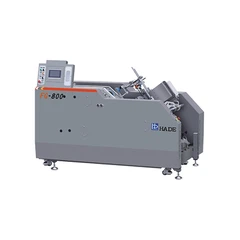
As a seasoned supplier of folding and gluing machines, I've witnessed firsthand the pivotal role that feeding speed plays in the overall efficiency and quality of the packaging production process. Adjusting the feeding speed of a folding and gluing machine is not a one - size - fits - all task; it requires a comprehensive understanding of the machine's capabilities, the nature of the materials being processed, and the specific requirements of the production job. In this blog, I'll share some practical insights on how to adjust the feeding speed of a folding and gluing machine effectively.
Understanding the Basics of Feeding Speed
The feeding speed of a folding and gluing machine refers to the rate at which materials, such as cardboard or paper, are fed into the machine for folding and gluing operations. This speed is typically measured in sheets per minute (SPM) or meters per minute (m/min). A proper feeding speed is crucial as it directly impacts the quality of the finished products, the productivity of the machine, and the overall cost - effectiveness of the production process.
If the feeding speed is too slow, it can lead to under - utilization of the machine's capacity, resulting in lower productivity and increased production costs. On the other hand, if the feeding speed is too fast, it may cause jams, misfolds, and uneven gluing, which can compromise the quality of the final products and lead to a higher rate of rejects.
Factors Affecting Feeding Speed
Before adjusting the feeding speed, it's essential to consider several factors that can influence the optimal speed for your specific application.
Material Properties
The type, thickness, and stiffness of the material being processed are significant factors. For example, thin and flexible materials can generally be fed at a higher speed compared to thick and rigid materials. Corrugated cardboard, for instance, is more rigid and may require a slower feeding speed to ensure proper folding and gluing. You can explore our Corrugated Cardboard Folder Gluer designed specifically for handling such materials.
Machine Specifications
Each folding and gluing machine has its own maximum and minimum feeding speed limits. These limits are determined by the machine's mechanical design, motor power, and control systems. It's crucial to refer to the machine's user manual to understand its speed capabilities and ensure that you don't exceed the recommended limits.


Production Requirements
The volume and complexity of the production job also play a role in determining the feeding speed. For high - volume production runs, a faster feeding speed may be desirable to maximize productivity. However, if the job involves complex folding patterns or precise gluing requirements, a slower speed may be necessary to ensure accuracy.
Steps to Adjust the Feeding Speed
Once you've considered the relevant factors, you can follow these steps to adjust the feeding speed of your folding and gluing machine.
Step 1: Initial Assessment
Start by conducting a thorough assessment of the production job. Determine the type of material, the required folding and gluing specifications, and the desired production volume. This will give you a baseline for setting the initial feeding speed.
Step 2: Refer to the Machine Manual
Consult the machine's user manual to find the recommended feeding speed range for the specific material and job requirements. The manual may also provide guidelines on how to adjust the speed using the machine's control panel or settings.
Step 3: Make Incremental Adjustments
Begin by setting the feeding speed at the lower end of the recommended range. Run a test batch of products and closely monitor the machine's performance. Check for any signs of jams, misfolds, or uneven gluing. If the machine is operating smoothly and the quality of the products is satisfactory, you can gradually increase the speed in small increments.
Step 4: Monitor and Fine - Tune
Continuously monitor the machine's performance and the quality of the products as you increase the feeding speed. Look for any changes in the folding accuracy, glue application, or the overall appearance of the finished products. If you notice any issues, immediately reduce the speed and make the necessary adjustments to the machine's settings, such as the pressure of the feeding rollers or the position of the gluing nozzles.
Step 5: Optimize for Efficiency
Once you've found the maximum feeding speed at which the machine can operate without compromising the quality of the products, you can optimize the production process further. This may involve adjusting other parameters, such as the timing of the folding and gluing operations, to ensure maximum efficiency.
Advanced Techniques for Feeding Speed Adjustment
In addition to the basic steps, there are some advanced techniques that can help you achieve more precise control over the feeding speed.
Use of Sensors and Automation
Many modern folding and gluing machines are equipped with sensors that can detect the position and movement of the materials. These sensors can be used to automatically adjust the feeding speed based on the real - time conditions of the production process. For example, if the sensor detects a jam or a misaligned sheet, the machine can automatically slow down or stop to prevent further damage. Our Automatic Folder Gluer with Jogger features advanced sensor technology for enhanced control and efficiency.
Data Analysis and Process Optimization
Collecting and analyzing data on the machine's performance, such as the feeding speed, production volume, and reject rate, can provide valuable insights for process optimization. By identifying trends and patterns in the data, you can make informed decisions about adjusting the feeding speed and other parameters to improve the overall efficiency and quality of the production process.
Troubleshooting Common Feeding Speed Issues
Even with careful adjustment, you may encounter some common issues related to feeding speed. Here are some troubleshooting tips:
Jams
If the machine experiences frequent jams, it may be a sign that the feeding speed is too fast. Try reducing the speed and check if the jams persist. You should also inspect the feeding path for any obstructions or misaligned components.
Misfolds
Misfolds can occur if the material is not fed evenly or if the folding mechanism is not synchronized with the feeding speed. Adjust the feeding speed and check the alignment of the folding plates and rollers. You may also need to adjust the pressure of the feeding rollers to ensure proper material handling.
Uneven Gluing
Uneven gluing can be caused by a variety of factors, including incorrect feeding speed, improper glue application settings, or a clogged glue nozzle. Check the glue application system and adjust the feeding speed to ensure a consistent flow of material and proper glue distribution.
Conclusion
Adjusting the feeding speed of a folding and gluing machine is a critical aspect of optimizing the packaging production process. By understanding the factors that affect feeding speed, following the proper adjustment steps, and using advanced techniques, you can achieve a balance between productivity and quality.
If you're in the market for a high - quality folding and gluing machine or need further assistance with adjusting the feeding speed, we're here to help. Our Fully Automatic Corrugated Box Making Machine is designed to meet the diverse needs of the packaging industry. Contact us today to start a discussion about your specific requirements and explore how our machines can enhance your production efficiency.
References
- Manufacturer's user manuals for folding and gluing machines
- Industry best practices in packaging production
- Technical literature on material handling and machine control systems