


Hey there! As a supplier of folder gluers, I've seen firsthand how crucial it is to get the pressure right in these machines. Whether you're working with corrugated boxes or cartons, the pressure in a folder gluer can make or break your production. In this blog, I'll share some tips on how to adjust the pressure in a folder gluer to ensure smooth and efficient operation.
First off, let's talk about why pressure adjustment is so important. The pressure in a folder gluer affects how well the machine folds and glues the materials. If the pressure is too low, the folds might not be sharp, and the glue might not bond properly. On the other hand, if the pressure is too high, it can damage the materials, cause jams, and even wear out the machine parts faster. So, finding the right pressure is key to getting high - quality products and keeping your machine running smoothly.
Understanding the Components Affected by Pressure
Before we dive into the adjustment process, it's important to understand the main components in a folder gluer that are affected by pressure. There are usually the folding rollers, the gluing section, and the conveying belts.
The folding rollers are responsible for creating the folds in the material. The pressure between these rollers needs to be just right to form clean and precise folds. If the pressure is uneven, you might end up with crooked folds or creases that don't line up properly.
The gluing section is where the glue is applied to the material. The pressure here affects how much glue is transferred and how well it spreads. Too little pressure might result in insufficient glue coverage, while too much pressure can cause the glue to squeeze out and create a messy finish.
The conveying belts move the material through the machine. The pressure on these belts ensures that the material moves smoothly without slipping or getting stuck. If the pressure is too light, the material might not move forward consistently, and if it's too heavy, it can cause excessive wear on the belts.
Step - by - Step Pressure Adjustment
1. Check the Manufacturer's Guidelines
The first step in adjusting the pressure in a folder gluer is to refer to the manufacturer's guidelines. Every machine is different, and the manufacturer will have specific instructions on how to adjust the pressure for different components. These guidelines will also give you the recommended pressure ranges for various types of materials. For example, corrugated boxes might require a different pressure setting than regular cartons.
2. Inspect the Machine
Before making any adjustments, take a good look at the machine. Check for any signs of wear or damage on the folding rollers, gluing nozzles, and conveying belts. Worn - out parts can affect the pressure distribution and lead to problems. If you notice any issues, replace the parts as needed.
3. Adjust the Folding Rollers
To adjust the pressure on the folding rollers, you'll usually find adjustment knobs or screws on the side of the machine. Start by loosening the locking mechanism. Then, turn the adjustment knob or screw to increase or decrease the pressure between the rollers. It's a good idea to make small adjustments at a time and test the folds after each adjustment. You can use a piece of scrap material to check the quality of the folds. If the folds are too loose, increase the pressure slightly. If they're too tight or causing damage to the material, decrease the pressure.
4. Fine - tune the Gluing Pressure
In the gluing section, the pressure can be adjusted through valves or regulators. These control the flow of glue and the pressure at which it's applied. Similar to the folding rollers, make small adjustments and test the glue application on a scrap piece. You want to see an even and consistent layer of glue on the material. If the glue is not spreading evenly, you might need to clean the nozzles or adjust the pressure further.
5. Set the Conveying Belt Pressure
The pressure on the conveying belts can be adjusted using tensioning devices. These are often located at the ends of the belts. Loosen the tensioning bolts slightly and then adjust the position of the tensioning device to increase or decrease the pressure on the belt. Make sure the belt is running straight and that there's no excessive slack or tightness. A properly tensioned belt will ensure smooth material flow through the machine.


Using the Right Tools
When adjusting the pressure in a folder gluer, having the right tools can make the job a lot easier. A pressure gauge can be very useful for getting an accurate reading of the pressure in different parts of the machine. This can help you make more precise adjustments. You'll also need basic tools like wrenches and screwdrivers to loosen and tighten the adjustment screws and bolts.
Common Problems and Solutions
Even after adjusting the pressure, you might encounter some common problems.
Uneven Folds: If you notice that the folds are uneven, it could be due to uneven pressure on the folding rollers. Check if the rollers are clean and properly aligned. You might need to re - adjust the pressure on one side of the rollers to even it out.
Glue Squeeze - Out: Glue squeeze - out is often a sign of too much pressure in the gluing section. Reduce the pressure on the glue valves or regulators and clean the excess glue from the machine.
Material Slippage on Conveyor Belts: If the material is slipping on the conveyor belts, the pressure might be too low. Increase the tension on the belts using the tensioning devices.
Our Folder Gluer Products
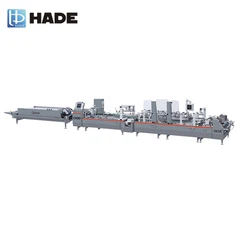
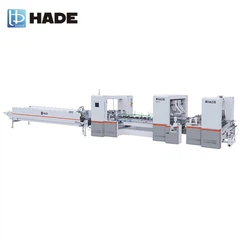
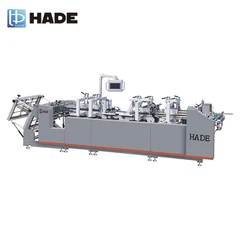
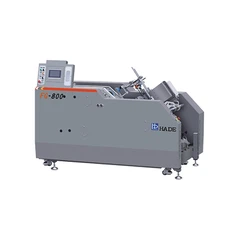
We offer a range of high - quality folder gluers to meet different production needs. Check out our Automatic Pasting Machine for Corrugated Boxes, which is designed for efficient and precise gluing of corrugated materials. Our Automatic Carton Folding Machine is perfect for folding and gluing cartons of various sizes. And for those who need a more advanced solution, our Folder Gluer with 46 Corner System provides excellent corner - folding and gluing capabilities.
Conclusion
Adjusting the pressure in a folder gluer is a skill that takes time and practice. By following the steps outlined in this blog, you can ensure that your folder gluer is operating at its best. Remember to refer to the manufacturer's guidelines, use the right tools, and make small adjustments at a time. If you have any questions or need further assistance with pressure adjustment or our folder gluer products, don't hesitate to reach out for a purchasing consultation. We're here to help you get the most out of your folder gluer and improve your production efficiency.
References
- Industry knowledge and experience as a folder gluer supplier.
- Manufacturer's manuals for folder gluers.