


Hey there! As a supplier of folding and gluing machines, I often get asked about how to calibrate these machines. Calibration is super important as it ensures your machine runs smoothly and produces high - quality products. In this blog, I'll walk you through the steps to calibrate a folding and gluing machine.
Why Calibration Matters
Before we dive into the how - to, let's talk about why calibration is a big deal. A well - calibrated folding and gluing machine can save you a ton of time and money. It reduces waste by making sure each fold and glue application is accurate. This means fewer rejected products and more satisfied customers. Plus, regular calibration extends the lifespan of your machine, so you won't have to shell out for a new one anytime soon.
Pre - Calibration Checks
First things first, you need to do a few pre - calibration checks. Start by cleaning the machine thoroughly. Dust, debris, and old glue can mess up the calibration process. Use a soft brush and some appropriate cleaning agents to clean all the moving parts, rollers, and glue applicators.
Next, inspect the machine for any signs of wear and tear. Check the belts, gears, and bearings. If you notice any damaged parts, replace them before you start calibrating. A machine with worn - out parts won't be able to hold a proper calibration, no matter how hard you try.
Calibrating the Folding Mechanism
Let's start with the folding mechanism. The first step is to adjust the folding blades. These blades are responsible for making the precise folds in your materials. Use a set of feeler gauges to measure the gap between the folding blades and the folding plates. The gap should be consistent across the entire length of the blade.
Most folding and gluing machines come with adjustable folding blades. Loosen the bolts that hold the blades in place and make small adjustments until you get the right gap. Tighten the bolts back up and double - check the gap. You might need to make a few trial folds using scrap material to make sure the folds are clean and accurate.
The folding rollers also need calibration. These rollers help guide the material through the folding process. Check the pressure of the rollers. They should apply enough pressure to fold the material properly but not so much that they damage it. You can usually adjust the roller pressure using a pressure - adjustment knob or lever on the machine.
Glue Application Calibration
Now, let's move on to the glue application. The amount of glue applied is crucial. Too little glue, and the bond won't be strong enough. Too much glue, and you'll end up with a messy product.
Start by checking the glue tank. Make sure it's filled with the right type of glue and that the glue level is within the recommended range. The temperature of the glue also matters. Some glues work best at specific temperatures. Use a glue - temperature gauge to check and adjust the temperature if needed.
The glue applicator nozzles need to be calibrated as well. Check the flow rate of the glue from the nozzles. You can do this by running a test cycle and observing the amount of glue being applied to a sample material. Most machines have a flow - rate adjustment valve. Turn the valve clockwise to decrease the flow rate and counter - clockwise to increase it.
Also, check the alignment of the nozzles. They should be positioned correctly so that the glue is applied exactly where it's needed. Use a ruler or a laser alignment tool to make sure the nozzles are straight and centered.
Speed and Timing Calibration
The speed and timing of the machine are also important factors in calibration. The speed of the machine should be set according to the type of material you're working with. Thicker materials usually require a slower speed, while thinner materials can be processed at a faster pace.
To calibrate the speed, refer to the machine's control panel. There should be a speed - adjustment button or dial. Make small adjustments and run some test cycles to see how the machine performs at different speeds.
The timing of the folding and gluing operations needs to be synchronized. If the folding happens too early or too late in relation to the glue application, you'll end up with a poorly assembled product. Use the machine's timing - adjustment settings to fine - tune the process. You might need to run several test cycles and make multiple adjustments to get the timing just right.


Post - Calibration Testing
Once you've completed all the calibration steps, it's time for some post - calibration testing. Run a few test cycles using your actual production materials. Inspect the folded and glued products carefully. Check for any signs of misfolds, uneven glue application, or weak bonds.
If you notice any issues, go back and make further adjustments. It might take a few tries to get everything perfect, but it's worth it in the end.
Recommended Machines
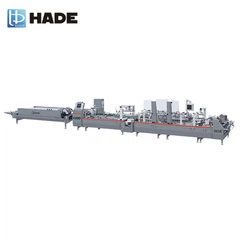
If you're in the market for a new folding and gluing machine, we've got some great options. Check out our Automatic Folder Gluer with Jogger. It's a top - of - the - line machine that offers high - speed and precise folding and gluing.
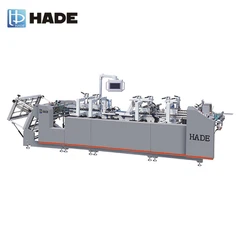
Another great option is our Side Pasting Corrugated Carton Folding and Gluing Machine. This machine is perfect for making corrugated cartons with side pasting.
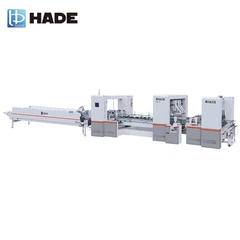
And if you're looking for a fully automatic solution, our Fully Automatic Corrugated Box Making Machine is the way to go. It can handle large - scale production with ease.
Contact Us for Purchasing
If you're interested in our folding and gluing machines or need more information about calibration and maintenance, don't hesitate to get in touch. We're here to help you make the most of your investment in our machines. Whether you're a small - scale business or a large - scale manufacturer, we've got the right machine for you.
References
- "Folding and Gluing Machine Handbook" - A comprehensive guide on the operation and maintenance of folding and gluing machines.
- Industry research papers on the latest advancements in folding and gluing technology.