


Hey there! As a supplier of Box Folding and Gluing Machines, I've seen firsthand the challenges that come with ensuring the alignment of box parts during the folding and gluing process. It's a crucial step in the box-making process, and getting it right can mean the difference between a high-quality product and a flawed one. In this blog post, I'll share some tips and tricks on how to ensure the alignment of box parts in your folding and gluing machine.
Understanding the Basics of Box Folding and Gluing
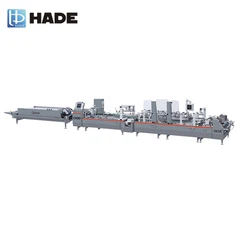
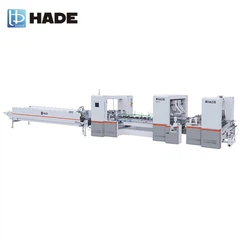
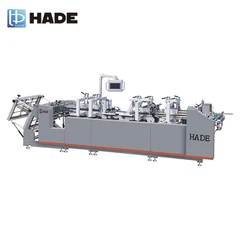
Before we dive into the alignment tips, let's first understand the basic components of a box folding and gluing machine. A typical machine consists of several parts, including a feeder, a folding section, a gluing unit, and a delivery system. The feeder is responsible for feeding the flat cardboard sheets into the machine, while the folding section folds the sheets into the desired box shape. The gluing unit applies glue to the appropriate areas of the box, and the delivery system outputs the finished boxes.
Now, let's talk about alignment. Alignment refers to the proper positioning of the box parts during the folding and gluing process. When the parts are properly aligned, the box will have a neat and professional appearance, and it will be structurally sound. Misaligned parts can lead to boxes that are crooked, have uneven flaps, or even fall apart.
Tips for Ensuring Alignment
1. Calibrate Your Machine Regularly
One of the most important steps in ensuring alignment is to calibrate your machine regularly. Calibration involves adjusting the various components of the machine to ensure that they are working together correctly. This includes checking the alignment of the feeder, the folding blades, the gluing nozzles, and the delivery system. By calibrating your machine regularly, you can prevent misalignment issues before they occur.
2. Use High-Quality Cardboard
The quality of the cardboard you use can also have a significant impact on alignment. Low-quality cardboard may have uneven thickness, warping, or other defects that can make it difficult to fold and glue properly. Using high-quality cardboard, on the other hand, will ensure that the box parts are uniform and easy to align. Look for cardboard that is consistent in thickness, has a smooth surface, and is free of defects.
3. Adjust the Folding Blades
The folding blades are one of the most critical components of the folding section. They are responsible for folding the cardboard sheets into the desired box shape. If the folding blades are not properly adjusted, the box parts may not align correctly. Make sure to adjust the folding blades according to the thickness and type of cardboard you are using. You can usually find the recommended settings in the machine's manual.
4. Optimize the Gluing Process
The gluing process is another area where alignment can be affected. If the glue is not applied evenly or in the right amount, the box parts may not stick together properly, leading to misalignment. Make sure to optimize the gluing process by adjusting the glue pressure, flow rate, and nozzle position. You may also want to consider using a high-quality glue that is specifically designed for box making.
5. Monitor the Process
Finally, it's essential to monitor the folding and gluing process constantly. This will allow you to detect any alignment issues early on and take corrective action. You can use sensors, cameras, or other monitoring devices to keep track of the process. If you notice any misalignment, stop the machine immediately and make the necessary adjustments.
The Role of Technology in Alignment
In recent years, technology has played an increasingly important role in ensuring the alignment of box parts during folding and gluing. Many modern box folding and gluing machines are equipped with advanced sensors, cameras, and software that can detect and correct alignment issues in real-time. These technologies can significantly improve the accuracy and efficiency of the box-making process.


For example, some machines use laser sensors to measure the position of the cardboard sheets as they are fed into the machine. If the sheets are not properly aligned, the sensors can send a signal to the machine to adjust the feeder or other components. Other machines use cameras to monitor the folding and gluing process and detect any misalignment. The software can then automatically adjust the machine settings to correct the issue.
Types of Box Folding and Gluing Machines
There are several types of box folding and gluing machines available on the market, each with its own features and capabilities. Some of the most common types include:
- Corrugated Box Folder Gluer Machine: These machines are designed specifically for folding and gluing corrugated cardboard boxes. They are typically used in the packaging industry for producing large quantities of boxes.
- Corrugated Box Folder Gluer: Similar to the corrugated box folder gluer machine, but with a more compact design. These machines are suitable for smaller-scale production or for businesses with limited space.
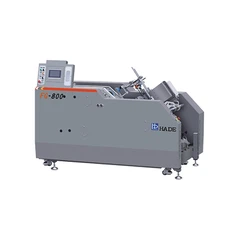
- Full Automatic Mini-box Making Machine: As the name suggests, these machines are fully automatic and are designed for making mini-boxes. They are often used in the food, pharmaceutical, and cosmetic industries.
When choosing a box folding and gluing machine, it's important to consider your specific needs and requirements. Factors such as the type of boxes you want to produce, the production volume, and your budget will all play a role in your decision.
Conclusion
Ensuring the alignment of box parts during folding and gluing is crucial for producing high-quality boxes. By following the tips and tricks outlined in this blog post, you can improve the accuracy and efficiency of your box-making process. Remember to calibrate your machine regularly, use high-quality cardboard, adjust the folding blades and gluing process, monitor the process constantly, and take advantage of the latest technology.
If you're in the market for a box folding and gluing machine, we're here to help. We offer a wide range of machines to suit different needs and budgets. Whether you're a small business looking for a simple solution or a large-scale manufacturer in need of a high-performance machine, we've got you covered. Contact us today to discuss your requirements and learn more about our products. We look forward to working with you to take your box-making process to the next level!
References
- Smith, J. (2022). The Basics of Box Making. Packaging World.
- Jones, A. (2021). Advancements in Box Folding and Gluing Technology. Manufacturing Today.
- Brown, R. (2020). Best Practices for Ensuring Alignment in Box Folding and Gluing. Box Industry Magazine.