

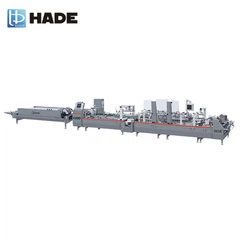

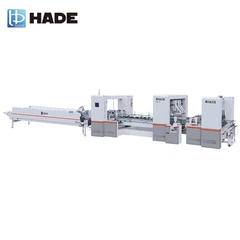
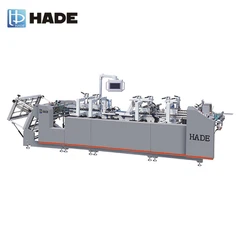
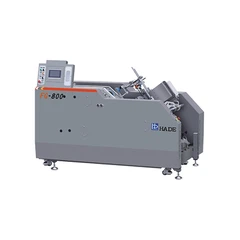
Troubleshooting glue leakage in a Folder Gluer with Pre - fold is a crucial skill for anyone involved in the packaging industry. As a supplier of Folder Gluer with Pre - fold machines, I've encountered various issues related to glue leakage over the years. In this blog post, I'll share some practical tips and strategies to help you diagnose and fix this common problem.


Understanding the Folder Gluer with Pre - fold
Before we dive into troubleshooting, let's briefly understand what a Folder Gluer with Pre - fold is. This type of machine is designed to pre - fold carton blanks and then apply glue to the appropriate areas for final folding and bonding. It's widely used in the production of various packaging products, such as cartons for food, cosmetics, and consumer goods. Our company offers a range of high - quality Folder Gluer with Pre - fold machines, including the High - wave Folder Gluer Machine, Automatic Carton Folder Gluer Machine, and Folder Gluer with 46 Corner System.
Common Causes of Glue Leakage
- Incorrect Glue Application Settings
- One of the most common causes of glue leakage is incorrect glue application settings. If the glue amount is set too high, it can overflow and cause leakage. On the other hand, if the pressure of the glue applicator is not properly adjusted, it may also lead to uneven glue distribution and leakage.
- To check the glue application settings, refer to the machine's manual. Most modern Folder Gluer with Pre - fold machines have digital control panels that allow you to adjust the glue amount, pressure, and speed. Start by reducing the glue amount gradually and observe if the leakage problem improves.
- Worn - Out Glue Applicator Parts
- The glue applicator is a critical component of the Folder Gluer with Pre - fold. Over time, the parts of the glue applicator, such as the rollers, nozzles, and seals, can wear out. Worn - out parts can cause glue to leak from the sides or joints of the applicator.
- Inspect the glue applicator regularly for signs of wear and tear. Look for cracks, scratches, or excessive wear on the rollers and nozzles. If you notice any damaged parts, replace them immediately with genuine replacement parts recommended by the machine manufacturer.
- Blocked Glue Lines
- Blocked glue lines can also cause glue leakage. When the glue lines are blocked, the pressure inside the system increases, and the glue may find its way out through other openings, resulting in leakage.
- To check for blocked glue lines, first, turn off the machine and release the pressure in the glue system. Then, disconnect the glue lines and use a suitable cleaning solution to flush them out. You can also use a small brush or a compressed air gun to remove any stubborn blockages.
- Improper Carton Blank Handling
- The way carton blanks are fed into the machine can also affect glue leakage. If the carton blanks are misaligned or not properly positioned, the glue may not be applied correctly, leading to leakage.
- Ensure that the carton blanks are loaded onto the machine correctly. Check the guides and alignment systems to make sure they are set to the correct dimensions for the carton blanks. Also, make sure that the feeding speed is consistent to avoid any sudden movements that could cause misalignment.
Troubleshooting Steps
- Visual Inspection
- Start by conducting a visual inspection of the machine. Look for any obvious signs of glue leakage, such as puddles of glue on the machine surface or around the glue applicator. Check the connections between the glue lines, the glue tank, and the applicator for any loose or damaged parts.
- Pay special attention to the areas where the glue is applied to the carton blanks. Look for any uneven glue distribution or excessive glue buildup. This can give you clues about the source of the problem.
- Check the Glue System
- As mentioned earlier, incorrect glue application settings can cause leakage. Check the glue amount, pressure, and speed settings on the machine's control panel. Make sure they are set according to the specifications of the carton blanks and the type of glue being used.
- Also, check the glue tank for the correct glue level. If the glue level is too high, it can cause overflow and leakage. If the glue level is too low, it may not be able to provide enough pressure for proper application.
- Inspect and Replace Worn - Out Parts
- If you suspect that worn - out parts are causing the glue leakage, inspect the glue applicator and other relevant components. Replace any damaged or worn - out parts with new ones. Make sure to follow the manufacturer's instructions when replacing parts to ensure proper installation.
- After replacing the parts, test the machine to see if the leakage problem has been resolved. If the problem persists, there may be other underlying issues that need to be addressed.
- Clean the Glue Lines
- If blocked glue lines are the cause of the leakage, clean them thoroughly. As described earlier, use a suitable cleaning solution and tools to remove any blockages. After cleaning, reconnect the glue lines and make sure they are properly tightened.
- Run a test cycle on the machine with a small amount of glue to check if the glue is flowing smoothly through the lines. If there are still blockages, you may need to repeat the cleaning process or seek professional help.
- Adjust Carton Blank Handling
- Review the way carton blanks are being fed into the machine. Make any necessary adjustments to the guides, alignment systems, and feeding speed. Test the machine with a few carton blanks to ensure that they are being handled correctly and that the glue is being applied evenly.
Preventive Maintenance
- Regular Cleaning
- Regular cleaning of the machine is essential to prevent glue leakage. Clean the glue applicator, glue lines, and the machine surface after each production run. Use a mild cleaning solution and a soft cloth to remove any glue residue.
- Also, clean the glue tank periodically to prevent the buildup of glue solids. This can help maintain the proper functioning of the glue system and reduce the risk of blockages and leakage.
- Lubrication
- Lubricate the moving parts of the machine regularly according to the manufacturer's recommendations. Proper lubrication can reduce friction and wear on the parts, which can help prevent glue leakage caused by worn - out components.
- Use the recommended lubricants for each part of the machine. Over - lubrication can also cause problems, so make sure to apply the correct amount of lubricant.
- Training and Operator Awareness
- Provide proper training to the machine operators. Make sure they are familiar with the machine's operation, maintenance procedures, and troubleshooting techniques. Operators should be able to identify the early signs of glue leakage and take appropriate action.
- Encourage operators to report any issues or abnormalities they notice during the production process. This can help catch problems early and prevent them from escalating.
Conclusion
Glue leakage in a Folder Gluer with Pre - fold can be a frustrating problem, but with the right troubleshooting steps and preventive maintenance, it can be effectively managed. By understanding the common causes of glue leakage and following the steps outlined in this blog post, you can keep your machine running smoothly and produce high - quality cartons.
If you are experiencing persistent glue leakage problems or need further assistance with your Folder Gluer with Pre - fold, do not hesitate to contact us. We are a professional supplier of Folder Gluer with Pre - fold machines and can provide you with the necessary support and solutions. Whether you are interested in purchasing a new machine or need replacement parts and maintenance services, we are here to help.
References
- Manufacturer's Manuals for Folder Gluer with Pre - fold Machines
- Industry Standards and Best Practices for Packaging Machinery Maintenance