

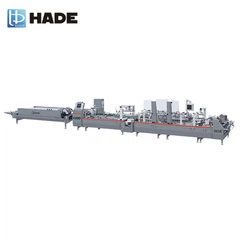

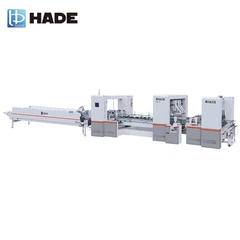
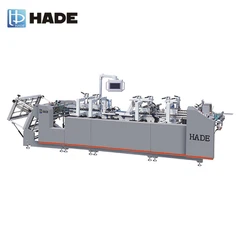
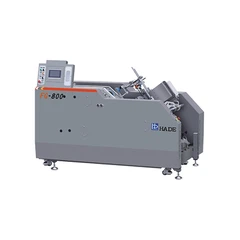
Hey there! I'm a supplier of folder gluers with inspection, and today I wanna chat about how different gluing methods can impact the performance of these machines.
First off, let's understand what a folder gluer with inspection is all about. It's a piece of equipment that not only folds and glues cartons but also inspects them for quality control. This is super important in the packaging industry, where getting the job done right the first time can save a ton of time and money.
Now, onto the gluing methods. There are a few common ones out there, and each has its own pros and cons when it comes to the performance of a folder gluer with inspection.


Hot Melt Gluing
Hot melt gluing is a popular choice. It works by melting a solid adhesive at high temperatures and then applying it to the carton. One of the big advantages of hot melt gluing is its speed. It sets quickly, which means the cartons can be handled and stacked almost immediately. This is great for high - volume production lines.
In terms of the folder gluer's performance, hot melt gluing allows for a smooth and continuous operation. The machine can keep up a fast pace because the glue dries so rapidly. However, there are some downsides. Hot melt glue can be sensitive to temperature changes. If the environment is too cold, the glue might not bond properly, which could lead to cartons coming apart during the inspection process. And if it's too hot, the glue could become too runny, causing messy applications and potential jams in the machine.
Water - Based Gluing
Water - based gluing is another option. This type of glue is made by dissolving or dispersing polymers in water. It's known for being more environmentally friendly compared to some other gluing methods.
When it comes to the folder gluer, water - based gluing offers good bond strength. It can create a strong and durable joint between the carton flaps. But the drying time is a major factor. Water - based glue takes longer to dry compared to hot melt glue. This means the folder gluer might have to slow down to allow the glue to dry properly before the cartons can be inspected. If the machine runs too fast, the wet glue could smudge or cause the cartons to stick together, which would definitely affect the inspection results.
On the plus side, water - based glue is less likely to cause jams in the machine because it's not as thick and sticky as hot melt glue when it's in a liquid state. It also has a more forgiving nature when it comes to temperature variations.
Solvent - Based Gluing
Solvent - based gluing uses solvents to dissolve the adhesive polymers. This type of glue provides very strong bonds and is often used for applications where a high - strength joint is required.
In a folder gluer, solvent - based gluing can handle tough materials well. It can bond cartons made of thick or rigid materials effectively. But there are some significant drawbacks. Solvent - based glues are flammable and can release harmful fumes. This requires proper ventilation in the production area, which adds to the overall cost and complexity of operating the folder gluer.
From a performance perspective, the machine needs to be carefully calibrated when using solvent - based glue. The evaporation rate of the solvent is crucial. If it evaporates too quickly, the glue might set before it's properly applied, leading to poor bonding. If it evaporates too slowly, it can cause the cartons to stick to the machine parts, resulting in downtime for cleaning and maintenance.
Impact on Inspection
The gluing method can have a huge impact on the inspection process. For example, with hot melt gluing, if the glue isn't applied evenly, it can create lumps or bumps on the carton surface. These irregularities can cause false alarms during the inspection, as the inspection machine might mistake them for defects.
In the case of water - based gluing, the longer drying time means there's a higher chance of the carton getting damaged or deformed before it reaches the inspection stage. If the cartons are stacked too soon, the wet glue can cause them to stick together, and when they're pulled apart, it might tear the carton, which will be flagged as a defect during inspection.
Solvent - based gluing can also pose challenges for inspection. The fumes can sometimes interfere with the sensors in the Single Sheet Inspection Machine or High Speed Inspection Machine, leading to inaccurate readings.
Overall Machine Performance
The choice of gluing method can affect the overall performance of the Fully Automatic Folder Gluer with Inspection. A machine that's optimized for hot melt gluing might struggle if switched to water - based gluing without proper adjustments. The speed, throughput, and reliability of the machine are all tied to the gluing method.
For instance, if a company wants to increase its production speed, hot melt gluing might be the way to go. But if environmental concerns are a priority, water - based gluing could be a better option, even though it might require some compromises in terms of speed.
When it comes to maintenance, different gluing methods also have different requirements. Hot melt glue can build up in the glue applicator over time, which needs to be cleaned regularly to prevent clogs. Water - based glue can leave behind residues if not cleaned properly, which can also affect the machine's performance. Solvent - based glue requires special cleaning procedures due to its flammable nature.
Choosing the Right Gluing Method
As a supplier, I always recommend that customers consider their specific needs when choosing a gluing method for their folder gluer with inspection. Factors like production volume, the type of cartons being produced, environmental regulations, and budget all play a role.
If you're running a high - volume production line and need fast turnaround times, hot melt gluing could be a great choice. But make sure you have a stable temperature environment. For those who are more environmentally conscious and can afford a slightly slower production speed, water - based gluing is a good option. And if you're dealing with very tough materials that require a strong bond, solvent - based gluing might be worth the extra precautions.
In conclusion, the gluing method you choose can make or break the performance of your folder gluer with inspection. It's not just about getting the cartons glued together; it's about ensuring a smooth operation, accurate inspections, and high - quality end products.
If you're in the market for a folder gluer with inspection or need advice on the best gluing method for your business, don't hesitate to reach out. We're here to help you make the right choice and get the most out of your equipment.
References
- Packaging Machinery Handbook. This comprehensive guide provides in - depth information on different types of packaging equipment, including folder gluers and various gluing methods.
- Adhesive Technology Journal. Articles in this journal cover the latest research and developments in adhesive materials and their applications in the packaging industry.