

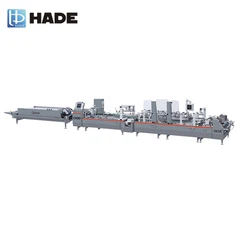

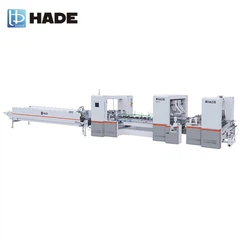
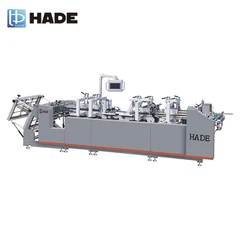
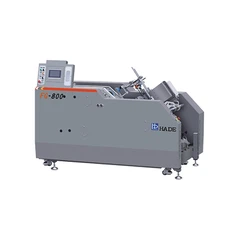
As a supplier of High Speed Inspection Machines, I've witnessed firsthand the transformative impact these advanced devices have on various industries. High Speed Inspection Machines play a crucial role in quality control, ensuring that products meet the highest standards before they reach the market. However, operating these machines requires specific training to harness their full potential. In this blog post, I'll delve into the types of training needed to operate a High Speed Inspection Machine effectively.
Technical Knowledge Training
To operate a High Speed Inspection Machine, operators must have a solid understanding of its technical components and functions. This includes knowledge of the machine's hardware, such as cameras, sensors, and lighting systems, as well as its software, which is responsible for image processing and analysis.
Hardware Understanding
Operators should be trained to identify and understand the different hardware components of the High Speed Inspection Machine. For example, they need to know how to properly install and maintain cameras to ensure clear and accurate image capture. Cameras are the eyes of the inspection system, and any misalignment or malfunction can lead to inaccurate results. Additionally, operators should be familiar with the various sensors used in the machine, such as proximity sensors and photoelectric sensors, and understand how they contribute to the overall inspection process.
Software Proficiency
The software of a High Speed Inspection Machine is the brain that processes and analyzes the captured images. Operators need to be trained to use the software effectively, including setting up inspection parameters, calibrating the system, and interpreting the inspection results. They should be able to adjust the software settings to suit different inspection requirements, such as detecting defects of different sizes and shapes. Moreover, operators should be familiar with the software's reporting features, which allow them to generate detailed inspection reports for quality control purposes.
Safety Training
Safety is of utmost importance when operating a High Speed Inspection Machine. These machines often involve high-speed moving parts and electrical components, which can pose significant risks if not handled properly. Therefore, operators must receive comprehensive safety training to ensure their well-being and the safe operation of the machine.
Machine Safety Features
Operators should be trained to understand the safety features of the High Speed Inspection Machine, such as emergency stop buttons, safety guards, and interlock systems. They need to know how to use these features correctly in case of an emergency. For example, they should be able to quickly locate and press the emergency stop button to stop the machine immediately if they notice any abnormal behavior or potential safety hazards.


Personal Protective Equipment (PPE)
In addition to understanding the machine's safety features, operators should also be trained on the proper use of personal protective equipment (PPE). This may include safety glasses, gloves, and ear protection, depending on the specific requirements of the inspection process. PPE helps to protect operators from potential hazards, such as flying debris, electrical shocks, and noise.
Quality Control Training
High Speed Inspection Machines are primarily used for quality control purposes, so operators need to have a good understanding of quality control principles and practices. This training will enable them to accurately identify and classify defects, as well as make informed decisions about product acceptance or rejection.
Defect Identification
Operators should be trained to recognize different types of defects that can be detected by the High Speed Inspection Machine. This may include surface defects, such as scratches and dents, as well as internal defects, such as cracks and voids. They need to be able to distinguish between minor defects that can be tolerated and major defects that require immediate attention.
Quality Standards
Operators should also be familiar with the quality standards and specifications that apply to the products being inspected. They need to know how to compare the inspection results with these standards to determine whether the products meet the required quality level. This training will help operators to make consistent and accurate decisions about product acceptance or rejection, ensuring that only high-quality products are released to the market.
Maintenance and Troubleshooting Training
Regular maintenance and troubleshooting are essential to keep the High Speed Inspection Machine in optimal working condition. Operators should receive training on how to perform basic maintenance tasks, such as cleaning the machine, replacing consumable parts, and checking the calibration of the system. They should also be trained to identify and troubleshoot common problems that may occur during the operation of the machine.
Maintenance Procedures
Operators should be trained on the recommended maintenance procedures for the High Speed Inspection Machine. This may include daily, weekly, and monthly maintenance tasks, such as cleaning the lenses of the cameras, lubricating the moving parts, and checking the electrical connections. By following these maintenance procedures, operators can prevent premature wear and tear of the machine and ensure its reliable performance.
Troubleshooting Skills
In addition to maintenance training, operators should also be trained to troubleshoot common problems that may occur during the operation of the High Speed Inspection Machine. This may include issues such as image quality problems, sensor malfunctions, and software errors. Operators should be able to use the machine's diagnostic tools to identify the root cause of the problem and take appropriate corrective actions.
Hands-On Training
While theoretical training is important, hands-on training is equally crucial for operators to gain practical experience in operating the High Speed Inspection Machine. Hands-on training allows operators to apply the knowledge and skills they have learned in a real-world setting, which helps to reinforce their understanding and improve their confidence.
Training on the Actual Machine
Operators should have the opportunity to train on the actual High Speed Inspection Machine under the supervision of experienced trainers. This will allow them to familiarize themselves with the machine's controls, settings, and operation procedures. Trainers can provide immediate feedback and guidance to operators, helping them to correct any mistakes and improve their performance.
Simulated Training Exercises
In addition to training on the actual machine, operators can also benefit from simulated training exercises. Simulated training allows operators to practice operating the machine in a safe and controlled environment, without the risk of damaging the machine or producing defective products. Simulated training exercises can be designed to mimic real-world scenarios, such as different types of inspection tasks and production volumes, which helps to prepare operators for the challenges they may encounter in their actual work.
Continuous Training and Updating
The technology used in High Speed Inspection Machines is constantly evolving, so operators need to receive continuous training and updating to keep up with the latest developments. Continuous training can help operators to learn new features and functions of the machine, as well as improve their skills and knowledge in quality control and maintenance.
New Product Launches
When new models or versions of the High Speed Inspection Machine are launched, operators should receive training on the new features and improvements. This will allow them to take full advantage of the latest technology and optimize the performance of the machine.
Industry Trends and Best Practices
In addition to product-specific training, operators should also stay updated on the latest industry trends and best practices in quality control and inspection. This can be achieved through attending industry conferences, workshops, and training courses, as well as reading industry publications and online resources.
Conclusion
Operating a High Speed Inspection Machine requires a combination of technical knowledge, safety awareness, quality control skills, maintenance and troubleshooting abilities, and hands-on experience. By providing comprehensive training to operators, we can ensure that they are well-equipped to operate the machine effectively and efficiently, which will ultimately lead to improved product quality, increased productivity, and reduced costs.
If you're interested in learning more about our High Speed Inspection Machine or our training programs, please feel free to contact us for further discussion. We also offer related products such as Automatic Folder Gluer Machine with Camera System and Automatic Inspection and Folder Gluer Machine. We look forward to the opportunity to work with you and help you achieve your quality control goals.
References
- "High-Speed Machine Vision Inspection Systems: Principles and Applications" by John Doe
- "Quality Control Handbook" by Jane Smith
- "Maintenance and Troubleshooting Guide for High Speed Inspection Machines" by ABC Company