

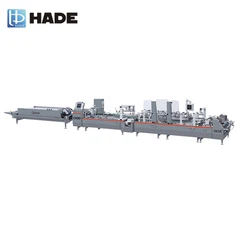

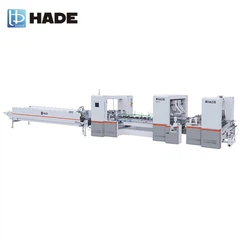
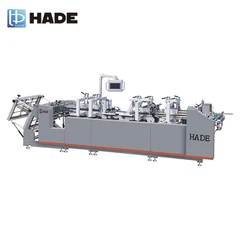
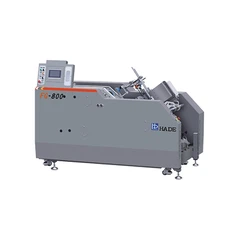
Hey there! As a supplier of Automatic Folder Gluer Machines, I often get quizzed about setting the glue flow rate. It's a crucial aspect that can make or break the quality of your box-making process. In this blog, I'll walk you through how to set the glue flow rate in an Automatic Folder Gluer Machine like a pro.
Why the Glue Flow Rate Matters
First off, let's talk about why getting the glue flow rate right is so important. If the flow rate is too high, you'll end up with a mess. Excess glue can seep out of the box joints, making the boxes look unprofessional and potentially sticking to other boxes or machinery. This not only wastes glue but can also cause production delays as you have to clean up the mess.
On the other hand, if the flow rate is too low, the boxes won't be properly glued together. This can lead to weak joints, and the boxes might fall apart during handling or shipping. That's a big no - no, especially if you're making high - quality boxes for products like Automatic Medicine Box Making Machine or Corrugated Box Folder Gluer.
Factors Affecting Glue Flow Rate
Before you start adjusting the glue flow rate, it's important to understand the factors that can influence it.


Box Material
Different box materials absorb glue at different rates. For example, corrugated cardboard is more porous than solid board. So, when you're working with corrugated cardboard, you might need a higher glue flow rate to ensure proper adhesion. If you're using a Carton Folding and Gluing Machine to make boxes from thinner, less absorbent materials, you'll need to reduce the flow rate to avoid excess glue.
Box Size and Design
The size and design of the box also play a role. Larger boxes generally require more glue, especially if they have complex folds or multiple joints. Boxes with small, tight folds might need a more precise and often lower glue flow rate to prevent glue from squeezing out.
Glue Type
There are various types of glues available, such as water - based, hot - melt, and solvent - based glues. Each type has different viscosity and drying times. Water - based glues are usually less viscous and might require a higher flow rate compared to hot - melt glues, which are thicker and can be applied in smaller amounts.
How to Set the Glue Flow Rate
Now that you know what affects the glue flow rate, let's get into the actual process of setting it.
Start with the Manufacturer's Recommendations
The first step is to check the manufacturer's manual for your Automatic Folder Gluer Machine. It usually provides a starting point for the glue flow rate based on common box materials and glue types. This is a great place to begin, as the manufacturer has designed the machine with certain specifications in mind.
Make Test Runs
Once you've set the initial flow rate according to the manual, it's time to make some test runs. Start by running a few sample boxes through the machine. Check the joints to see if the glue is evenly distributed and if the boxes are properly glued together.
If the glue seems to be too thin or there are gaps in the joints, you might need to increase the flow rate. On the other hand, if there's excess glue oozing out, you'll need to reduce it.
Adjust the Flow Control Valve
Most Automatic Folder Gluer Machines have a flow control valve that allows you to adjust the glue flow rate. This valve is usually located near the glue tank or the glue application system.
To increase the flow rate, turn the valve in the direction indicated for opening. Make small adjustments, about a quarter - turn at a time, and then run another test box. Keep doing this until you get the desired glue application.
To decrease the flow rate, turn the valve in the opposite direction. Again, make small adjustments and test the boxes after each change.
Monitor the Glue Temperature
The temperature of the glue can also affect its flow rate. For hot - melt glues, in particular, maintaining the right temperature is crucial. If the glue is too cold, it will be thicker and might not flow properly, even if the flow control valve is set correctly.
Most machines have a built - in glue heater. Make sure to set the temperature according to the glue manufacturer's recommendations. Regularly check the glue temperature using a thermometer to ensure it stays within the optimal range.
Check the Glue Nozzles
Clogged or damaged glue nozzles can disrupt the glue flow. Inspect the nozzles regularly for any blockages or signs of wear. If you find a clogged nozzle, clean it using the appropriate cleaning tools. In some cases, you might need to replace the nozzle if it's damaged.
Fine - Tuning the Glue Flow Rate
Once you've got a basic setting that works, you can start fine - tuning the glue flow rate for different box types and production runs.
Batch Production
If you're doing batch production of the same type of box, you can make small adjustments based on the first few boxes in the batch. This helps to account for any slight variations in the box material or the machine's performance over time.
Different Box Designs
For different box designs, you'll need to repeat the process of adjusting the flow rate. Each design might have different requirements, so don't assume that the setting for one design will work for another.
Troubleshooting Glue Flow Issues
Even after setting the glue flow rate correctly, you might encounter some issues. Here are some common problems and how to fix them.
Uneven Glue Application
If you notice that the glue is not being applied evenly across the box joints, it could be due to a clogged nozzle or an uneven pressure in the glue system. Check the nozzles and clean them if necessary. You might also need to adjust the pressure settings on the machine.
Glue Drying Too Fast or Too Slow
If the glue is drying too fast, it might not have enough time to bond properly. This could be due to a high temperature in the production area or a fast - drying glue type. Try reducing the temperature or switching to a slower - drying glue.
If the glue is drying too slow, it could be because the temperature is too low or the glue is too thick. Increase the temperature or adjust the flow rate to apply a thinner layer of glue.
Conclusion
Setting the glue flow rate in an Automatic Folder Gluer Machine is a combination of following the manufacturer's guidelines, making test runs, and fine - tuning based on your specific box materials and designs. By getting the glue flow rate right, you can ensure high - quality box production, reduce waste, and increase the efficiency of your manufacturing process.
If you're in the market for an Automatic Folder Gluer Machine or have any questions about setting the glue flow rate, feel free to reach out to us. We're here to help you make the most of your box - making operations.
References
- Manufacturer's manuals for Automatic Folder Gluer Machines
- Glue manufacturer's technical data sheets
- Industry best practices for box manufacturing