

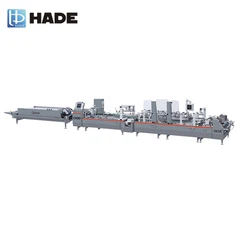

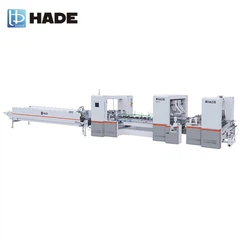
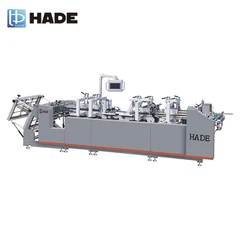
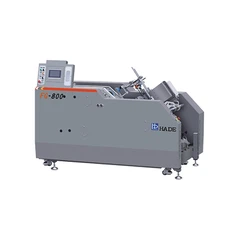
As a cornerstone of the packaging industry, the automatic folder-gluer performs the critical task of folding and bonding printed cardboard or paper into boxes of various shapes. Its efficient and precise operation directly impacts packaging product quality and production throughput. However, like all mechanical equipment, prolonged operation subjects these machines to wear, dust accumulation, and other factors that can degrade performance or lead to frequent breakdowns. Proactive daily maintenance is therefore essential to ensure operational stability, extend equipment lifespan, and maintain optimal production efficiency.
What basic inspections are required on the fully automatic folder gluer before starting up every day?
Before starting the automatic gluing machine each day, operators must perform a series of basic inspections to ensure the equipment is in optimal working condition. This helps prevent production delays and safety hazards caused by malfunctions.
Specific Inspection Items
- Power Connection & Voltage Stability Check
Inspect the power cord for damage, wear, or loose plugs.
Use a voltmeter to verify stable voltage supply within the automatic gluing machine's required range.
- Machine Exterior & Fastener Inspection
Check for visible damage or deformation on the automatic gluing machine's exterior.
Ensure all fasteners (screws, nuts, etc.) are properly tightened.
- Paper/Board Feeding System Check
Verify that the feeding tray is level and paper/board is correctly positioned.
Inspect the conveyor belts for cleanliness, debris, and smooth operation.
- Glue Supply System Inspection (If Applicable)
Confirm sufficient glue levels in the tank and check glue quality meets standards.
Ensure glue delivery tubes are clear and free from blockages.
By following these steps, operators can maintain the automatic gluing machine's efficiency and prevent operational issues.
Key Components Requiring Regular Lubrication in Automatic Gluing Machines
Importance of Lubrication
Lubrication is essential for maintaining the automatic gluing machine's operational efficiency. Proper lubrication reduces friction between components, minimizes wear, and extends the equipment's lifespan while ensuring stable performance.
Components Requiring Lubrication
Drive Chains & Gears
These high-load parts experience significant friction during operation. Regular lubrication prevents premature wear and ensures smooth power transmission in the automatic gluing machine.
Bearings & Sliding Rails
Lubrication of bearings and sliding rails is critical for maintaining precision and smooth movement, directly impacting the automatic gluing machine's accuracy.
Other Mechanical Parts
Components like cams, linkages, and rotating joints should also be lubricated according to the manufacturer's guidelines to avoid operational disruptions.
Lubrication Methods & Intervals
Method: Apply manufacturer-recommended oils or greases to designated lubrication points. Use manual greasing or automated systems as specified.
Frequency: Adjust lubrication intervals based on the automatic gluing machine's workload and environmental conditions (e.g., weekly, monthly, or quarterly).
What basic inspections should be performed on the fully automatic folder gluer before starting up the machine every day? a. How to clean the key parts of the fully automatic folder gluer (such as the folder gluer head, conveyor belt, etc.) to prevent blockage or malfunction?
Key Components and Cleaning Methods
Gluing Head Maintenance:
Remove adhesive residue and paper debris from the gluing head using a soft cloth or brush.
Regularly inspect the gluing head for wear and replace it promptly if necessary.
Conveyor Belt Maintenance:
Clean debris and dust from the conveyor belt routinely to maintain hygiene.
Check the belt tension regularly and adjust it as needed.
Sensor and Detection Device Care:
Gently wipe sensors and detection devices with a clean, dry cloth to ensure optimal sensitivity.
Avoid cleaning agents containing chemical solvents to prevent damage.
Electrical System Daily Inspection
Importance of Electrical System Safety
The electrical system serves as the core component of fully automatic folder gluers. Its operational integrity directly impacts equipment stability and operator safety, making routine inspections critical.
Inspection Checklist
Power Cables & Plug Inspection
Examine power cables for cracks, aging, or exposed wiring.
Verify plug connections are secure with no looseness or corrosion.
Electrical Control Cabinet Inspection
Open the cabinet to confirm internal wiring is organized and free of debris.
Test relays, contactors, and other components for proper function, checking for overheating, discoloration, or burn marks.
Sensor & Motor Connection Checks
Ensure all sensor and motor wiring connections are tight and undamaged.
Validate sensor signal accuracy through operational testing.
Grounding & Insulation Verification
Measure grounding resistance using a ground resistance tester to confirm compliance with specifications.
Perform insulation resistance tests on circuits to ensure no leakage or degradation.
Post-Shutdown Maintenance Procedures
Purpose of Post-Shutdown Maintenance
Thorough post-shutdown maintenance is essential for prolonging equipment lifespan and minimizing operational failures. Systematic end-of-operation checks allow early identification of potential issues, ensuring readiness for subsequent production cycles.
Maintenance Tasks
Equipment Cleaning & Organization
Perform comprehensive cleaning of exterior and interior surfaces to remove dust, paper scraps, and debris.
Organize tools and spare parts to maintain a clutter-free workspace.
Glue System Purge (Where Applicable)
Drain residual adhesive from glue tanks; flush supply lines and nozzles with approved cleaning agents.
Inspect for leaks or blockages in the glue delivery system, initiating repairs if required.
Component Tightening & Adjustment
Verify torque specifications on fasteners (bolts, screws) and retighten as needed.
Recalibrate adjustable components (guides, sensors) based on operational performance data.
Maintenance Documentation & Reporting
Log detailed records of maintenance actions, observed anomalies, and corrective measures.
Escalate unresolved equipment risks or recurring issues to supervisors/maintenance teams.
Operational Guidelines
Execute maintenance only after full equipment de-energization and isolation.
Prioritize safety protocols during chemical handling or mechanical adjustments.
The daily maintenance routine for automatic folder-gluer machines encompasses multiple critical aspects, including pre-operation inspections, routine lubrication during operation, thorough cleaning of key components, regular electrical system checks, and post-operation shutdown procedures. These maintenance protocols are essential for ensuring stable equipment operation, extending service life, and maximizing production efficiency. Operators must strictly follow the equipment manufacturer's recommendations and industry standards when conducting daily maintenance tasks, thereby guaranteeing the automatic folder-gluer consistently operates in optimal condition.