

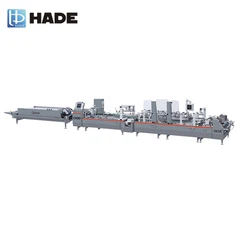

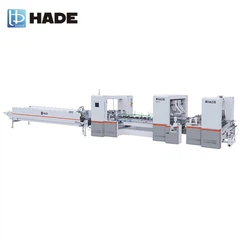
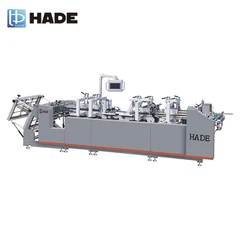
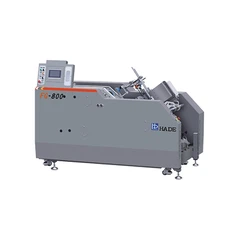
Modular folder gluer machines as the core equipment the packaging industry's automated production its efficiency and stability directly affect production efficiency and product quality. However, in long-term operation process, due to mechanical wear and tear, improper operation or environmental factors, equipment is prone to malfunction. Drawing on industry experience and technical practice, this paper systematically combs out the common fault types of modular folder gluer machines and puts forward targeted repair strategies to provide reference for equipment maintenance.
Glue System Faults: Flow Irregularities and Residue Issues
1.Unstable Glue Flow
Fault Manifestation: The output of the glue pump fluctuates, resulting in inconsistent bonding strength or wasted glue.
Cause Analysis:
- glue pump internal blockage or aging seals, resulting in pressure fluctuations;
- Bend or loosen the pipeline, causing the flow to be interrupted;
- High viscosity or the presence of impurities in the glue, affecting the pump's normal operation.
Repair Strategies:
- Clean and replace: Remove glue pump, clean pump chamber and filter screen with special solvent, replace worn sealing rings;
- Pipe Inspection: using an endoscope to inspect the inner wall of the pipe, repair the bending section, tighten the joint;
- Glue Pretreatment: Install a glue preheater to reduce viscosity or add a secondary filtration system to remove impurities.
2. Glue Residue and Belt Contamination
Fault Manifestation: after production, there is still glue on the surface of the conveyor belt, which affects the efficiency of the follow-up work.
Cause Analysis:
- The angle of the glue nozzle is not right, causing glue to splash on the tape.
- Belt washer can't scrape off residue in time
Repair Strategies:
- Nozzle Calibration: adjust the angle of the glue nozzle with a laser positioning instrument to ensure that the glue is applied accurately to the origami of the cardboard;
- Cleaning System Upgrade: Install adjustable-pressure silicone scrapers below the belt and install a lukewarm water circulation flushing device for real-time cleaning.
Mechanical Transmission Faults: Speed Fluctuations and Component Wear
1. Unstable Operating Speed
Fault Manifestation: equipment in the process of high-speed operation will occur intermittent downtime, disrupting the production rhythm.
Cause Analysis:
- The connection between the motor and the frequency converter is poor, which causes signal transmission to be interrupted.
- The drive belt Insufficient tension, causes the slip drive belt;
- Bearing Inadequate lubrication, increasing friction and power loss.
Repair Strategies:
- Electrical inspection: check converter interface voltage with multimeter and tighten all connection terminals;
- Belt Adjustment: Measure the length of the belt with a tension meter and adjust it to standard using special tools.
- Lubrication Maintenance: an automatic lubrication system is used to regularly inject high-temperature lubricating grease into bearings to reduce wear and tear.
2. Reduced Precision of the folding mechanism.
Fault Manifestation: Cardboard folding angle deviation, resulting in unqualified box forming of substandard carton.
Cause Analysis:
The folding plate is not aligned properly, so that it is not in line with the movement trajectory of cardboard;
the pneumatic system is not Insufficient pressure to provide sufficient folding force;
Changes in cardboard material properties, thickness or hardness beyond the design range of the equipment.
Repair Strategies:
Position Calibration: Reposition folding plates using laser alignment instrument to ensure that they are parallel to the edge of the cardboard;
Pneumatic Optimization: Install pressure sensors to monitor the pneumatic circuit and stabilization of pressure 0.6-0.8 MPa using a regulating valve;
Material Adaptation: input cardboard parameters into the equipment control system, automatically adjust the folding speed and folding force.
Electrical Control System Faults: Signal Interference and Program Errors
1. Sensor False Alarms
Fault Manifestation: Equipment often stops working, alarm messages indicate "missing cardboard" or "insufficient glue."
Cause Analysis:
The sensor surface is contaminated with glue or dust, which caused the error signal to be triggered.
The sensor is installed in the wrong position and the target object cannot be detected accurately.
Wires age, causing signal attenuation or interference.
Repair Strategies:
Cleaning and protection: Wipe sensor surface with alcohol-soaked non-woven cloth and install dust cover.
Position Adjustment: Recalculate sensor mounting height according to cardboard size to ensure coverage of the target area;
Wiring Replacement: Replace aging wires with shielded cables and reliably connect the ground wire terminals.
2. Program Logic Errors
Fault Manifestation: The device performs abnormal operations such as repeatedly folding or leaking glue in automatic mode.
Cause Analysis:
The PLC version of the program is outdated and has unfixed vulnerabilities;
The operator mistakenly modifies the parameter, causing program logic confusion;
Memory failure, resulting in data loss or corruption.
Repair Strategies:
Program Upgrade: Contact equipment supplier for the latest version of the program and use proprietary software for online updates;
Parameter Backup: Establish parameter management database and back up the original data before each revision;
Memory Detection: Use diagnostic tools to check the health of memory and replace the chip if necessary.
INTRODUCTION Preventive Maintenance strategy: key to prolonging the life of equipment
- Daily cleaning: after each shift, with compressed air blowing out the dust on the equipment, focusing on cleaning glue pump, folding board and other key areas;
- Regular Lubrication: lubricate drive shaft, chain and other components according to equipment specification to reduce wear and tear;
- Spare Parts management: Establish an inventory list of worn-out parts and stock common components, such as belts and seals, in advance to shorten downtime;
- Operator training: Organize operator skill training on a regular basis to familiarize the operator with the structure, principles and malfunctions of the equipment and to improve its emergency response capabilities.
Conclusion:
Multidisciplinary knowledge, including mechanics, electronics and hydraulics, is needed to fix the failure of modular folder gluer machines. Through systematic troubleshooting and accurate maintenance, equipment downtime rate can be significantly reduced and production efficiency can be improved. Enterprises should set up a perfect equipment management system and combine preventive maintenance with fault repairs to ensure the stable operation of packaging production lines.